Central air conditioners are a vital component of modern home comfort, providing relief from the sweltering heat during the summer months. Understanding the lifespan of these systems is crucial for homeowners, as it directly influences decisions regarding AC installation, maintenance, and potential replacements. With an average lifespan ranging from 12 to 17 years, many factors can impact how long your unit will last, including the quality of the installation, regular maintenance practices, and even the local climate.When considering AC installation, it’s essential to recognize that not all units are created equal. Higher-end models often come with advanced technology and better energy efficiency ratings, which can contribute to a longer lifespan.
Conversely, budget-friendly options may save you money upfront but could lead to higher long-term costs due to more frequent repairs or replacements. Therefore, investing in a quality unit and professional installation can pay off significantly over time.Moreover, regular maintenance plays a pivotal role in extending the life of your central air conditioning system. Simple tasks such as changing filters, cleaning coils, and scheduling annual inspections can prevent minor issues from escalating into major problems. Homeowners who neglect these responsibilities may find themselves facing costly repairs or even premature system failure.
Understanding the relationship between maintenance and lifespan is key to maximizing your investment in home cooling.As we delve deeper into this topic, we will explore various aspects of central air conditioners, including how to identify when it’s time for a replacement and tips for ensuring your system operates efficiently throughout its lifespan. By arming yourself with knowledge about air conditioning maintenance and installation best practices, you can make informed decisions that enhance your home’s comfort while protecting your investment.
Average Lifespan of Central Air Conditioners
Understanding the average lifespan of central air conditioners is essential for homeowners looking to maintain a comfortable living environment. Typically, central AC units are designed to last between 12 to 17 years under optimal conditions. However, various factors can significantly influence this lifespan, making it crucial to consider both the unit's quality and the maintenance practices employed.One of the primary determinants of how long a central AC unit lasts is its make and model.Higher-end models often come equipped with advanced technology and better materials, which can enhance durability and efficiency. In contrast, budget-friendly options may not offer the same longevity. Therefore, investing in a reputable brand can pay off in the long run.Another critical factor is regular maintenance. Routine inspections and servicing can help identify potential issues before they escalate into major problems.
Simple tasks such as changing filters, cleaning coils, and checking refrigerant levels can significantly extend the life of your system. Neglecting these maintenance tasks can lead to increased wear and tear, ultimately shortening the lifespan of your air conditioner.
Usage patterns
also play a vital role in determining how long your central AC will last. Units that are frequently overworked—due to high temperatures or inadequate insulation—may experience more strain, leading to premature failure. Homeowners should be mindful of their cooling needs and consider using programmable thermostats to optimize energy use.Additionally, environmental factors such as humidity levels and air quality can impact the performance and longevity of an air conditioning system.
For instance, using a dehumidifier in conjunction with your AC can alleviate some of the stress on the unit, allowing it to operate more efficiently.In summary, while the average lifespan of a central air conditioner ranges from 12 to 17 years, several factors—including unit quality, maintenance practices, usage patterns, and environmental conditions—can influence this timeframe. Homeowners should remain proactive in caring for their systems to maximize longevity and ensure optimal performance.
Factors Affecting the Lifespan of Central Air Conditioners
The lifespan of a central air conditioner is influenced by a variety of factors that can either enhance or diminish its longevity. Understanding these factors is essential for homeowners who wish to maximize the efficiency and lifespan of their cooling systems.1.Usage Patterns
- Frequency of Use: The more frequently an air conditioning unit is used, the more wear and tear it experiences. Homes in hotter climates may run their AC units for extended periods, which can lead to a shorter lifespan if not properly maintained.
- Temperature Settings: Setting the thermostat to extreme temperatures can put additional strain on the system.
Keeping the temperature at a moderate level can help reduce stress on the unit.
2.Maintenance Practices
- Regular Inspections: Scheduling annual inspections with a qualified HVAC technician can identify potential issues before they escalate into major problems. Regular check-ups ensure that all components are functioning optimally.
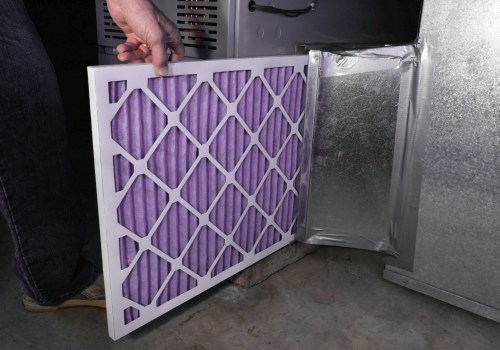
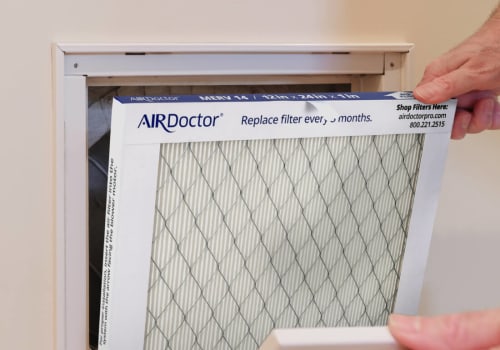
- Filter Changes: Air filters should be replaced or cleaned regularly, typically every 1-3 months, depending on usage. Clogged filters restrict airflow, forcing the system to work harder and potentially leading to premature failure.
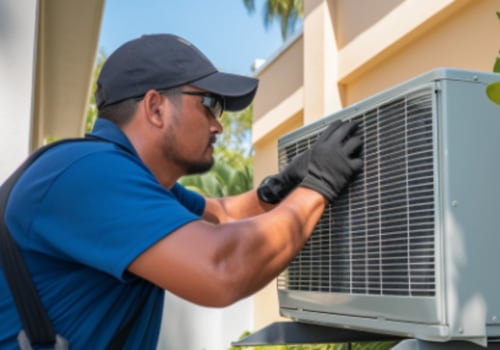
- Coil Cleaning: The evaporator and condenser coils should be kept clean to maintain efficiency. Dirty coils can hinder heat exchange, causing the system to overheat and wear out faster.
3.Environmental Conditions
- Location: Units installed in coastal areas may be exposed to salt and humidity, which can lead to corrosion and rust.
Conversely, those in dusty environments may require more frequent cleaning and maintenance.
- Insulation Quality: Proper insulation in your home can significantly affect how hard your AC unit has to work. Well-insulated homes retain cool air better, reducing the workload on the air conditioning system.
4.Unit Quality and Age
- Make and Model: Higher-quality units often come with better warranties and are designed for longevity. Investing in a reputable brand can pay off in terms of lifespan.
- Aging Components: As an air conditioning unit ages, its components may begin to fail. Regular maintenance can help mitigate this issue, but eventually, older units may need replacement.
Regular maintenance, mindful usage patterns, and awareness of environmental conditions are key elements in extending the life of your AC unit.
The Role of Regular Maintenance in Extending Lifespan
Regular maintenance is essential for ensuring that your central air conditioning system operates efficiently and lasts as long as possible. Just like any other mechanical system, air conditioners require periodic care to function optimally. Neglecting maintenance can lead to a host of problems, including reduced efficiency, higher energy bills, and ultimately, a shorter lifespan.Importance of AC Maintenance
- Improved Efficiency: A well-maintained air conditioning unit runs more efficiently, which means it uses less energy to cool your home. This not only saves you money on utility bills but also reduces wear and tear on the system.
- Enhanced Air Quality: Regular maintenance helps to keep the air filters clean and the ducts free from dust and allergens.
This leads to better indoor air quality, which is crucial for the health of your family.
- Prevention of Major Repairs: Routine inspections can identify potential issues before they escalate into costly repairs. Catching problems early can save you significant amounts of money in the long run.
- Extended Lifespan: By investing time and resources into regular maintenance, you can significantly extend the lifespan of your central air conditioning unit, allowing it to serve you well beyond its average lifespan.
How to Maintain Your Central Air Conditioner
- Change or Clean Filters Regularly: One of the simplest yet most effective maintenance tasks is to change or clean your air filters every 1-3 months. Clogged filters restrict airflow and force your system to work harder.
- Schedule Professional Inspections: At least once a year, have a qualified HVAC technician perform a thorough inspection of your system. They can check for refrigerant levels, inspect electrical components, and clean essential parts.
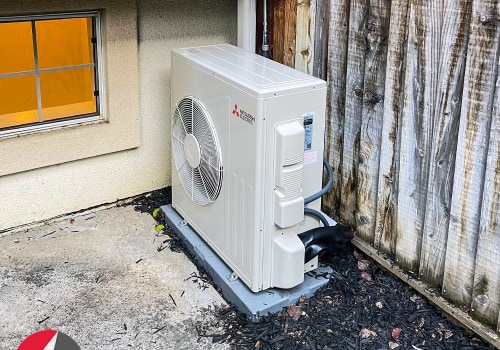
- Keep the Outdoor Unit Clear: Ensure that the area around your outdoor condenser unit is free from debris such as leaves, grass clippings, and dirt.
This allows for proper airflow and prevents overheating.
- Check Thermostat Settings: Make sure your thermostat is functioning correctly and set to an appropriate temperature. Consider upgrading to a programmable thermostat for better energy management.
- Inspect Ductwork: Leaky ducts can lead to significant energy loss. Inspect your ductwork for any signs of damage or disconnection and seal any leaks promptly.
Signs Your Central Air Conditioner Needs Replacement
As a homeowner, understanding when to replace your central air conditioner is crucial for maintaining comfort and efficiency in your living space.Here are some key indicators that suggest it may be time to consider a replacement:
- Age of the Unit: If your central air conditioning system is approaching or has surpassed the 10- to 15-year mark, it’s wise to start evaluating its performance. Most units have a lifespan of 12 to 17 years, and as they age, their efficiency tends to decline.
- Increased Energy Bills: A noticeable spike in your energy bills can be a red flag. If your air conditioner is working harder than it should to cool your home, it may be time for an upgrade. Newer models are designed to be more energy-efficient, which can save you money in the long run.
- Frequent Repairs: If you find yourself calling for repairs multiple times a season, it may be more cost-effective to replace the unit rather than continue pouring money into repairs.
A good rule of thumb is the 50% rule: if the cost of repairs exceeds half the price of a new unit, replacement is likely the better option.
- Inconsistent Temperatures: Are some rooms in your home warmer or cooler than others? This inconsistency can indicate that your air conditioning system is struggling to maintain even temperatures throughout your space, which could signal that it’s time for a replacement.
- Excessive Noise: Unusual sounds such as grinding, squealing, or banging can indicate serious issues within your unit. While some noises can be repaired, persistent loud sounds may suggest that the system is nearing the end of its life.
- Humidity Issues: If you notice that your home feels more humid than usual, even when the air conditioner is running, this could mean that the unit is not functioning properly. A failing air conditioner may struggle to remove humidity from the air effectively.
- Refrigerant Leaks: If you discover refrigerant leaks around your unit, this not only affects cooling efficiency but also poses environmental concerns. Repairing leaks can be costly and may indicate that the system is nearing its end.
Consulting with an HVAC professional can provide further insights tailored to your specific situation and help you make an informed decision about whether it's time for AC installation.
AC Installation: Choosing the Right Unit for Longevity
When it comes to AC installation, selecting the right unit is paramount for ensuring longevity and optimal performance. The air conditioning system you choose can significantly impact not only your comfort but also your energy bills and maintenance costs over time. Here are some essential tips to consider when choosing a central air conditioner that will stand the test of time.Understanding SEER Ratings
The Seasonal Energy Efficiency Ratio (SEER) is a critical factor in determining the efficiency of an air conditioning unit. A higher SEER rating indicates better energy efficiency, which can lead to lower utility bills and a reduced environmental impact.When selecting a unit, aim for a SEER rating of at least 16 or higher, as these models tend to last longer and perform better under varying conditions.
Choosing the Right Size
One of the most common mistakes during AC installation is selecting a unit that is either too large or too small for the space it needs to cool. An oversized unit may cool the area too quickly without adequately dehumidifying it, leading to discomfort and potential mold growth. Conversely, an undersized unit will struggle to maintain the desired temperature, resulting in increased wear and tear. To find the right size, consult with an HVAC professional who can perform a load calculation based on your home’s square footage, insulation quality, and other factors.Investing in Quality Brands
Not all air conditioning units are created equal.Investing in reputable brands known for their durability and reliability can pay off in the long run. Brands like Trane, Carrier, and Lennox have established themselves as leaders in the industry due to their commitment to quality and innovation. Research customer reviews and warranty options to ensure you’re making an informed decision.
Features That Enhance Longevity
- Variable Speed Compressors: These compressors adjust their speed based on cooling demand, leading to less wear on components and improved energy efficiency.
- Smart Thermostats: Integrating smart technology allows for better temperature control and can help prevent overworking your system.
- Durable Materials: Look for units constructed with high-quality materials that resist corrosion and wear, such as galvanized steel or aluminum.
The Cost-Benefit Analysis: Repair vs.
Replace Your AC UnitWhen faced with an aging air conditioning unit, homeowners often grapple with the decision of whether to repair or replace their system. This choice can significantly impact both comfort and finances, making a thorough cost-benefit analysis essential.
Understanding Repair Costs
- Repair costs can vary widely based on the nature of the issue. Minor repairs, such as replacing a capacitor or fixing a refrigerant leak, may only cost a few hundred dollars.
- However, more significant repairs, like replacing a compressor or major components, can run into the thousands. It's crucial to obtain a detailed estimate from a qualified HVAC technician.
- Consider the age of your unit; if it’s nearing the end of its expected lifespan (typically 10-15 years), investing in repairs may not be wise.
Evaluating Replacement Costs
- The cost of a new air conditioning system can range from $3,000 to $7,000 or more, depending on the size and efficiency of the unit.
- While this is a significant upfront investment, modern units are often more energy-efficient, which can lead to lower utility bills over time.
- Additionally, many manufacturers offer warranties that can provide peace of mind and protect against future repair costs.
Cost Analysis: Repair vs.
Replace
To make an informed decision, consider the following:
- Age of the Unit: If your air conditioner is over 10 years old and requires frequent repairs, replacement may be more cost-effective in the long run.
- Frequency of Repairs: If you find yourself calling for repairs multiple times within a single season, it may indicate that your unit is on its last legs.
- Energy Efficiency: Newer models often come with higher SEER ratings (Seasonal Energy Efficiency Ratio), which can translate to significant savings on energy bills.
- Comfort Needs: If your current system struggles to maintain comfortable temperatures or humidity levels, investing in a new unit could enhance your home’s comfort.
FAQs About Central Air Conditioner Lifespan and Installation
When it comes to the lifespan of central air conditioners and the intricacies of AC installation, many homeowners have questions. Below are some frequently asked questions that can help clarify common concerns.What is the average lifespan of a central air conditioner?
The typical lifespan of a central air conditioning unit ranges from 12 to 17 years, depending on various factors such as maintenance, usage, and the quality of the unit itself. With diligent care and regular maintenance, some systems can even last beyond 20 years.How can I extend the lifespan of my air conditioner?
- Regular Maintenance: Schedule annual inspections and tune-ups with a qualified HVAC technician to ensure your system is running efficiently.
- Change Filters: Replace or clean your air filters every 1-3 months to maintain optimal airflow and efficiency.
- Use a Dehumidifier: Employing a dehumidifier can reduce the load on your AC unit, helping it to operate more efficiently and potentially extending its life.
What are common signs that my air conditioner needs replacement?
- Age: If your unit is over 10 years old and requires frequent repairs, it may be time for a replacement.
- Increased Energy Bills: A noticeable spike in energy costs can indicate that your system is working harder than it should.
- Noisy Operation: Unusual sounds such as grinding or squealing can signal mechanical issues that may warrant replacement.
What should I consider during AC installation?
When planning for AC installation, consider the following:- Unit Size: Ensure that the system is appropriately sized for your home.
An oversized or undersized unit can lead to inefficiency and increased wear.
- Energy Efficiency Ratings: Look for units with high SEER (Seasonal Energy Efficiency Ratio) ratings to save on energy costs in the long run.
- Professional Installation: Always hire a licensed HVAC professional for installation to ensure proper setup and compliance with local codes.
Conclusion: Making Informed Decisions About Your Central Air Conditioner
In conclusion, understanding the lifespan of your central air conditioner is essential for making informed decisions regarding its maintenance, repair, or replacement. As we have discussed, the average lifespan of a central AC unit typically ranges from 12 to 17 years, but with diligent care and regular maintenance, it can exceed 20 years. This longevity not only enhances comfort in your home but also contributes to energy efficiency and cost savings over time.When considering AC installation, it is crucial to choose a high-quality unit that suits your specific needs. Investing in a reputable brand can significantly impact the overall performance and durability of your system.Additionally, understanding the importance of proper installation cannot be overstated; a poorly installed unit can lead to inefficiencies and premature failure.Regular maintenance plays a pivotal role in extending the life of your air conditioning system. Simple tasks such as changing filters, cleaning coils, and scheduling annual professional inspections can prevent minor issues from escalating into major problems. Furthermore, utilizing complementary systems like dehumidifiers can alleviate stress on your AC unit, enhancing its efficiency and lifespan.As you weigh the options between repairing or replacing your air conditioner, consider factors such as the age of the unit, frequency of repairs, and overall performance. If your system is nearing the end of its expected lifespan or requires frequent repairs, it may be more economical to invest in a new unit rather than continuing to patch up an aging system.Ultimately, consulting with a trusted HVAC professional can provide you with tailored advice based on your unique situation.
They can help you navigate the complexities of AC installation, ensuring that you make choices that align with your budget and comfort needs. By being proactive and informed about your central air conditioning system, you can enjoy a cool and comfortable environment for years to come.