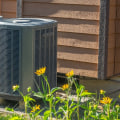
Understanding central air conditioning systems is essential for anyone considering a DIY installation. At its core, a central air conditioning system is designed to cool an entire home or building by distributing cooled air through a network of ducts. This system typically consists of several key components, including the outdoor condenser unit, the indoor evaporator coil, and the ductwork that carries the cooled air to various rooms. Each component plays a vital role in ensuring efficient cooling and maintaining indoor comfort. There are primarily two types of central air conditioning systems: split systems and packaged systems.
Split systems are the most common, featuring an outdoor unit that houses the compressor and condenser, while the indoor unit contains the evaporator coil. In contrast, packaged systems combine all components into a single outdoor unit, making them ideal for homes with limited indoor space. Understanding these differences is crucial when considering installation options, as each type has its own set of requirements and complexities. The operation of central air conditioning systems relies on the principles of thermodynamics. When the thermostat signals for cooling, the system activates the compressor in the outdoor unit, which circulates refrigerant through the system.
This refrigerant absorbs heat from inside your home and releases it outside, effectively lowering indoor temperatures. The cooled air is then distributed through ducts into various rooms, providing a consistent and comfortable environment. Grasping how these systems function not only highlights their complexity but also underscores the importance of proper installation to avoid potential pitfalls. As you delve deeper into the world of central air conditioning, it becomes clear that a thorough understanding of these systems is paramount for anyone contemplating a DIY installation. The intricacies involved in selecting the right system, understanding its components, and ensuring proper functionality can significantly impact both performance and energy efficiency.
The Benefits of DIY Central Air Conditioning Installation
When considering the installation of a central air conditioning system, many homeowners are drawn to the idea of a DIY approach.This method offers several compelling advantages that can make it an attractive option for those willing to take on the challenge.
Cost Savings
One of the most significant benefits of DIY AC installation is the potential for substantial cost savings. Hiring a professional HVAC technician can be quite expensive, often ranging from several hundred to thousands of dollars, depending on the complexity of the installation and the type of unit being installed. By opting for a DIY approach, homeowners can eliminate labor costs entirely, allowing them to invest that money into purchasing a higher-quality unit or additional features.
Control Over Installation
Another advantage of installing your own central air conditioning system is the level of control it provides. When you take on this project yourself, you have the freedom to choose not only the specific model that best fits your needs but also its placement within your home.
This customization can lead to improved efficiency and comfort, as you can strategically position the unit for optimal airflow and cooling performance. Additionally, you can select components that align with your preferences, such as energy-efficient models or units with advanced features.
Personal Satisfaction
Completing a DIY project can be incredibly fulfilling. Successfully installing your own central air conditioning system not only enhances your home’s comfort but also provides a sense of accomplishment. For many, there is immense pride in tackling such a significant task and seeing it through to completion.
This experience can also serve as an opportunity to learn new skills and gain valuable knowledge about HVAC systems, which may prove beneficial for future home improvement projects.
Flexibility in Scheduling
Another benefit of DIY installation is the flexibility it offers in terms of scheduling. Unlike hiring professionals who may have limited availability, you can work on your project at your own pace and according to your own timetable. This flexibility allows you to plan around other commitments and ensures that you can dedicate the necessary time and attention to each step of the installation process.In summary, while DIY central air conditioning installation requires careful consideration and effort, the benefits—such as cost savings, control over the process, personal satisfaction, and scheduling flexibility—make it an appealing option for many homeowners looking to enhance their living environment.
Cost Considerations for DIY Installation vs. Professional Services
When considering whether to tackle AC installation as a DIY project or hire professional services, understanding the financial implications is crucial.The cost of installing a central air conditioning system can vary significantly based on the chosen method, and it’s essential to weigh both the immediate expenses and potential long-term savings.
Cost of DIY AC Installation
- Initial Expenses: The primary costs associated with DIY installation include purchasing the air conditioning unit, necessary tools, and any additional materials such as ductwork or insulation. Depending on the size and type of unit, homeowners can expect to spend anywhere from $1,500 to $4,000 for the equipment alone.
- Tool Rental or Purchase: If you don’t already own the required tools, you may need to rent or buy them. This could add another $100 to $500 to your total costs, depending on what you need.
- Learning Curve: While there are many resources available online, investing time in learning about proper installation techniques can be seen as a hidden cost. Mistakes made during installation can lead to additional expenses down the line.
Professional HVAC Costs
- Labor Costs: Hiring a professional HVAC technician typically ranges from $1,000 to $3,000 for labor alone.
This cost reflects their expertise and the assurance that the job will be done correctly.
- Warranty and Insurance: Professional installations often come with warranties on both parts and labor. This can save you money in case of future repairs or issues, which is not something you would have with a DIY installation.
- Efficiency and Performance: A professionally installed system is likely to operate more efficiently, potentially lowering your energy bills over time. This efficiency can offset some of the initial costs associated with hiring professionals.
Budgeting for AC Installation
When budgeting for your AC installation, consider not only the upfront costs but also potential long-term savings. While DIY may seem cheaper initially, the risks of improper installation could lead to higher energy bills and costly repairs.
Conversely, while professional services require a larger initial investment, they often provide peace of mind and long-term savings through efficiency and warranty coverage.Ultimately, evaluating your own skills, budget constraints, and willingness to invest time into learning about HVAC systems will guide your decision on whether to proceed with a DIY approach or hire professionals for your central air conditioning installation.
Challenges and Risks of DIY Central Air Conditioning Installation
While the allure of DIY central air conditioning installation can be strong, it is crucial to recognize the various challenges and risks that accompany this undertaking. Understanding these potential pitfalls can help homeowners make informed decisions about whether to proceed with a self-installation or seek professional assistance.Technical Challenges
One of the primary hurdles in AC installation is the technical complexity involved. Central air conditioning systems consist of multiple components, including the outdoor condenser, indoor evaporator, ductwork, and refrigerant lines. Each of these elements must be correctly installed and connected to ensure optimal performance.Common technical challenges include:
- Improper Sizing: Selecting a unit that is too large or too small for your home can lead to inefficiencies. An oversized unit may cool the space too quickly without adequately dehumidifying it, while an undersized unit will struggle to maintain comfortable temperatures.
- Ductwork Issues: Existing ductwork may not be suitable for a new system. Leaks or blockages can significantly reduce efficiency and airflow, leading to higher energy costs and discomfort.
- Electrical Connections: Incorrect wiring can result in system failures or even electrical fires. Understanding local codes and regulations is essential for safe installation.
Safety Concerns
The safety risks associated with DIY AC installation cannot be overstated.Homeowners who lack experience in HVAC systems may inadvertently expose themselves to hazardous situations, such as:
- Refrigerant Handling: Refrigerants are toxic substances that require careful handling. Improper management can lead to leaks, which pose health risks and environmental concerns.
- Electrical Hazards: Working with high-voltage electrical components without proper knowledge can lead to severe injuries or fatalities. It is vital to understand how to safely disconnect power before beginning any installation work.
- Physical Strain: The physical demands of lifting heavy equipment and working in awkward positions can lead to injuries, especially for those unaccustomed to such labor.
Costly Errors
Even minor mistakes during installation can result in significant financial repercussions. Common errors include:- Poor Insulation: Failing to properly insulate refrigerant lines can lead to energy loss, increasing utility bills over time.
- Incorrect Thermostat Placement: A poorly placed thermostat can cause inefficient cooling cycles, leading to discomfort and higher energy costs.
- Warranty Voids: Many manufacturers require professional installation for warranties to remain valid.
DIY installations may void these warranties, leaving homeowners responsible for costly repairs.
Essential Skills and Knowledge Required for Successful Installation
Before embarking on a DIY central air conditioning installation, it is crucial to understand the skills and knowledge required to ensure a successful outcome. This project is not just about following a set of instructions; it demands a solid foundation in HVAC principles, as well as practical skills and the right tools.Essential Skills for AC Installation
Here are some of the key skills that a homeowner should possess:- Electrical Knowledge: Understanding basic electrical systems is vital. You will need to work with wiring, circuit breakers, and possibly even high-voltage components.
Familiarity with electrical safety protocols is essential to avoid hazards.
- Mechanical Aptitude: A good grasp of mechanical systems will help you understand how different components of the AC unit work together. This includes knowledge of refrigerant lines, ductwork, and airflow dynamics.
- Troubleshooting Skills: The ability to diagnose problems is crucial. If something goes wrong during installation or after the system is operational, you should be able to identify and resolve issues efficiently.
- Physical Fitness: Installing an AC unit can be physically demanding. You may need to lift heavy equipment, climb ladders, or work in tight spaces, so being in good physical condition is beneficial.
HVAC Knowledge for DIYers
A solid understanding of HVAC concepts is necessary for anyone considering DIY installation.This includes:
- Understanding HVAC Systems: Familiarize yourself with how central air conditioning systems operate, including the roles of the compressor, evaporator coil, condenser coil, and thermostat.
- Local Codes and Regulations: Research local building codes and regulations regarding HVAC installations. Compliance is essential to avoid fines and ensure safety.
- Refrigerant Handling: Knowledge about refrigerants is critical. You must understand how to handle them safely and legally, as improper handling can lead to environmental hazards.
Tools Required for AC Installation
The right tools can make a significant difference in the ease and success of your installation. Here’s a list of essential tools you will need:- Screwdrivers: Both flathead and Phillips screwdrivers are necessary for assembling various components.
- Pliers: A set of pliers will help with gripping and twisting wires during electrical connections.
- Wrenches: Adjustable wrenches are useful for tightening fittings on refrigerant lines.
- Tape Measure: Accurate measurements are crucial for proper placement of the unit and ductwork.
- Cordless Drill: A drill will speed up the process of securing components and making holes for mounting.
- Manifold Gauge Set: This tool is essential for checking refrigerant levels and ensuring proper system operation.
Without these elements, you may face challenges that could compromise the efficiency and safety of your system.
Step-by-Step Guide to DIY Central Air Conditioning Installation
Installing a central air conditioning system can be a daunting task, but with the right approach and preparation, it can be accomplished successfully. Below is a detailed step-by-step guide to help you navigate the process of DIY AC installation.- Gather Necessary Tools and Materials: Before you begin, ensure you have all the required tools and materials. You will need:
- Central air conditioning unit
- Thermostat
- Refrigerant lines
- Ductwork (if necessary)
- PVC piping
- Electrical wiring and connectors
- Tools: screwdriver, wrench set, drill, level, and safety gear
- Select the Right Location: Choose an appropriate location for your outdoor unit. It should be on a stable surface, away from obstructions, and ideally in a shaded area to enhance efficiency.
- Install the Indoor Unit: Begin by mounting the indoor air handler.
This typically involves:
- Finding a suitable spot on an interior wall.
- Using a level to ensure it is straight.
- Securing it with screws and brackets.
- Run Refrigerant Lines: Connect the refrigerant lines from the outdoor unit to the indoor unit. Ensure that:
- The lines are insulated to prevent energy loss.
- You follow manufacturer guidelines for proper installation.
- Connect Electrical Wiring: Properly connect the electrical wiring between the indoor and outdoor units. This step is crucial for ensuring safe operation. If you are not comfortable with electrical work, consider consulting a professional.
- Install the Outdoor Unit: Place the outdoor unit on a concrete pad or platform.
Make sure it is level and securely positioned. Connect the refrigerant lines and electrical wiring as per the manufacturer’s instructions.
- Add Ductwork (if applicable): If your system requires ductwork, install it according to local building codes. Ensure all connections are sealed properly to prevent air leaks.
- Test the System: Once everything is connected, turn on the power and test your system. Check for any leaks in refrigerant lines and ensure that both indoor and outdoor units are functioning correctly.
However, always remember that safety should be your top priority. If at any point you feel uncertain about any step in this process, do not hesitate to seek professional assistance.
When to Consider Hiring a Professional HVAC Technician
While the allure of DIY AC installation can be strong, there are specific scenarios where enlisting the help of a professional HVAC technician is not just advisable but essential. Recognizing these situations can save you time, money, and potential headaches down the line.Complexity of the Installation
If your home requires a complex installation due to unique architectural features or existing ductwork that needs modification, it’s wise to hire a professional. HVAC technicians have the expertise to assess your home’s layout and determine the best approach for installation.They can also ensure that all local building codes and regulations are met, which is crucial for safety and compliance.
Lack of Experience
For those who lack experience in HVAC systems, attempting a DIY installation can lead to costly mistakes. If you find yourself unsure about any aspect of the installation process—such as electrical connections, refrigerant handling, or system sizing—it’s a clear sign that you should seek professional help. A qualified technician will not only install your system correctly but also provide valuable insights into maintenance and operation.Signs You Need Professional Help
- Unusual Noises: If your air conditioning unit is making strange sounds during operation, it could indicate a serious issue that requires expert diagnosis.
- Inconsistent Cooling: If certain areas of your home are not cooling properly, this may point to problems with ductwork or system sizing that a professional can address.
- High Energy Bills: A sudden spike in energy costs may suggest that your AC unit is not functioning efficiently, which could be due to improper installation.
- Refrigerant Leaks: If you notice any signs of refrigerant leaks, such as ice buildup on the coils or a hissing sound, it’s crucial to call a technician immediately for safety reasons.
Benefits of Hiring an HVAC Technician
Hiring a professional HVAC technician comes with numerous benefits:- Expertise: Professionals bring years of training and experience to the table, ensuring that your system is installed correctly and efficiently.
- Warranty Protection: Many manufacturers require professional installation for warranty coverage. By hiring an expert, you protect your investment.
- Time-Saving: Professionals can complete installations much faster than most DIYers, allowing you to enjoy your new system sooner.
- Post-Installation Support: A qualified technician can provide ongoing maintenance and support, helping you keep your system running smoothly for years to come.
By recognizing these signs and understanding the benefits of expert assistance, you can make an informed decision that ensures your home remains comfortable and efficient.
Frequently Asked Questions About DIY Central Air Conditioning Installation
When considering a DIY central air conditioning installation, many homeowners have questions that can significantly impact their decision-making process. Below are some of the most frequently asked questions regarding this topic, along with detailed answers to help clarify any doubts.What tools do I need for DIY AC installation?
Before starting your installation, it's essential to gather the right tools. Common tools required include:- Wrenches - For tightening and loosening fittings.
- Screwdrivers - Both flathead and Phillips for securing components.
- Drill - For making holes in walls or mounting brackets.
- Level - To ensure your unit is installed evenly.
- Vacuum pump - To remove moisture from the refrigerant lines.
- Manifold gauge set - For checking refrigerant levels and pressures.
- Safety gear - Such as gloves and goggles to protect yourself during installation.
How do I choose the right size AC unit?
Selecting the appropriate size for your central air conditioning unit is crucial for optimal performance. An undersized unit will struggle to cool your home, while an oversized unit can lead to inefficiency and increased energy costs.To determine the right size:
- Calculate the square footage of your home.
- Consider factors such as ceiling height, insulation quality, and the number of windows.
- Use a BTU calculator or consult with HVAC guidelines to find the recommended BTUs for your space.
What are common troubleshooting tips for DIY AC installations?
If you encounter issues after installing your AC unit, here are some troubleshooting tips:- No cooling: Check if the thermostat is set correctly and ensure that the circuit breaker hasn’t tripped.
- Poor airflow: Inspect air filters for clogs and clean or replace them as necessary.
- Unusual noises: Listen for rattling or grinding sounds, which may indicate loose parts or debris in the unit.
- Leaking refrigerant: If you suspect a leak, it’s best to contact a professional, as handling refrigerants requires specialized knowledge and equipment.
Conclusion: Weighing Your Options for Central Air Conditioning Installation
In summary, the decision to undertake central air conditioning installation as a DIY project or to hire a professional is not one to be taken lightly. Each option presents its own set of advantages and disadvantages that must be carefully weighed against your personal circumstances, skills, and resources.On one hand, opting for a DIY installation can lead to significant cost savings. By eliminating labor costs, you may find that you can afford a higher-quality unit or additional features that enhance your home’s comfort.Moreover, the satisfaction of completing such a project on your own can be immensely rewarding, especially for those who enjoy hands-on work and have a knack for home improvement.However, it is crucial to recognize the potential pitfalls associated with DIY installations. The complexity of AC installation requires a solid understanding of HVAC systems, electrical work, and local building codes. A misstep in any of these areas can lead to inefficiencies, safety hazards, or even costly repairs down the line. Additionally, the time commitment involved in a DIY project should not be underestimated; it can take several days or even weeks to complete the installation correctly.For those lacking experience or confidence in their abilities, hiring a professional may be the more prudent choice.
While this option comes with a higher upfront cost, it ensures that the installation is performed correctly and safely. Professionals bring expertise that can prevent common mistakes and provide peace of mind that your system will operate efficiently from day one.Ultimately, the choice between DIY and professional installation hinges on your unique situation. Consider factors such as your budget, available time, and level of expertise before making a decision. If you choose to go the DIY route, invest time in research and preparation to ensure you are fully equipped for the task at hand.
Conversely, if you opt for professional help, take the time to find a reputable contractor who can deliver quality service.In conclusion, whether you decide to install your central air conditioning system yourself or hire an expert, being informed and prepared will lead to better outcomes and greater satisfaction with your home’s cooling system.