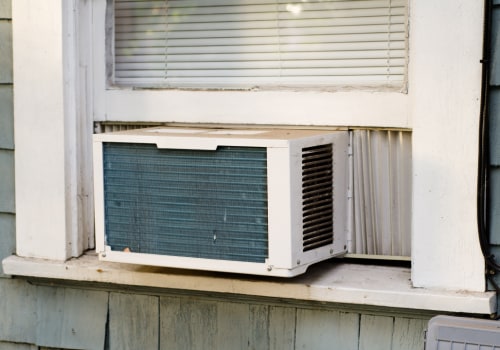
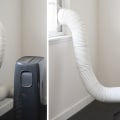
Portable air conditioners have become increasingly popular as a flexible solution for cooling indoor spaces, especially in environments where traditional air conditioning systems may not be feasible. These compact units are designed to provide effective cooling without the need for permanent installation, making them an ideal choice for renters, small apartments, or homes with limited window access. Understanding how these devices work and the benefits they offer can help you make an informed decision when considering AC installation options.At their core, portable air conditioners function by drawing in warm air from the room, cooling it through a refrigeration cycle, and then circulating the cooled air back into the space. Most models come equipped with a hose that expels hot air outside, which is essential for maintaining efficiency.
There are two primary types of portable air conditioners: single-hose and dual-hose systems. Single-hose units are generally easier to set up but can create negative pressure in the room, while dual-hose systems are more efficient as they draw in outside air for cooling and expel hot air simultaneously.The benefits of portable air conditioners extend beyond their ease of use. They offer a level of flexibility that traditional systems cannot match; you can easily move them from one room to another as needed. This mobility allows you to target specific areas that require cooling without incurring the costs associated with central air conditioning.
Additionally, many portable units come with features such as programmable timers, remote controls, and energy-saving modes, enhancing their usability and efficiency.In summary, portable air conditioners present a practical solution for those seeking effective cooling without the commitment of permanent installation. Their unique design and functionality cater to various needs, making them a valuable addition to any home or office environment.
Types of Portable Air Conditioners
When it comes to portable air conditioners, understanding the different types available is crucial for making an informed decision. The two primary categories are single-hose and dual-hose systems, each with its own operational characteristics and efficiency levels.Single-Hose Portable Air Conditioners
Single-hose portable air conditioners are designed with a single exhaust hose that serves a dual purpose: it draws in air from the room to cool it and expels hot air outside. This design is generally more compact and easier to set up, making it a popular choice for many users.However, there are some drawbacks:
- Negative Pressure: Because the unit pulls air from the room to cool it, it can create negative pressure, which may lead to warm air being drawn in from outside through cracks and openings.
- Cooling Efficiency: Single-hose units may struggle to maintain consistent cooling in larger spaces due to their reliance on recirculating indoor air.
Dual-Hose Portable Air Conditioners
In contrast, dual-hose portable air conditioners utilize two separate hoses: one for drawing in outside air and another for expelling hot air. This design offers several advantages:- Improved Efficiency: By using outside air for cooling, dual-hose systems can maintain a more stable temperature without creating negative pressure.
- Better Cooling Performance: These units are generally more effective in larger spaces or during extreme heat conditions, as they can cool the room more quickly.
- Room Size: For smaller rooms, a single-hose unit may suffice, while larger areas may benefit from the efficiency of a dual-hose system.
- Budget: If cost is a significant factor, single-hose models are typically more affordable.
- Cooling Needs: If you live in an area with extreme temperatures or require consistent cooling, investing in a dual-hose system could be worthwhile.
How Portable Air Conditioners Work
Understanding how portable air conditioners function is essential for anyone considering ac installation in their home or office. These units utilize a unique cooling mechanism that sets them apart from traditional air conditioning systems.At the core of a portable air conditioner’s operation is the refrigeration cycle, which involves several key components: the compressor, condenser, evaporator, and expansion valve.Here’s a breakdown of how these elements work together:
- Compressor: The process begins when the compressor compresses refrigerant gas, raising its pressure and temperature. This high-pressure gas then moves to the condenser.
- Condenser: In the condenser, the hot gas releases heat to the outside air, usually through a venting hose. As it cools down, it transforms into a liquid state.
- Evaporator: The liquid refrigerant then flows into the evaporator coil inside the unit. Here, it absorbs heat from the indoor air, causing it to evaporate back into a gas.
This process cools the air that is circulated back into the room.
- Expansion Valve: Finally, the refrigerant passes through an expansion valve, which reduces its pressure before it re-enters the compressor, and the cycle repeats.
They often have a lower energy consumption rate because they do not require extensive ductwork or complex installations. Additionally, many models come with energy-saving features such as programmable timers and adjustable thermostats that allow users to optimize their cooling needs without excessive energy use.In summary, understanding how portable air conditioners work not only helps consumers make informed decisions about ac installation, but also highlights their potential for energy efficiency and effective cooling solutions for individual rooms or small spaces.
Installation Considerations for Portable Air Conditioners
Installing a portable air conditioner can be a straightforward process, but there are several important considerations to ensure optimal performance and efficiency. Here’s a comprehensive guide to help you navigate the installation of your portable AC unit.Necessary Tools and Materials
- Portable air conditioner unit
- Exhaust hose (usually included with the unit)
- Window kit (also typically included)
- Measuring tape
- Scissors (if adjustments to the window kit are needed)
- Screwdriver (for securing the window kit)
- Level (to ensure the unit is positioned correctly)
Steps for Installation
- Select the Right Location: Choose a location near a window for easy exhaust venting. Ensure that the area is level and has access to an electrical outlet.
- Prepare the Window: Depending on your window type, you may need to adjust the window kit.
Measure the width of your window and cut the panel to fit if necessary.
- Attach the Exhaust Hose: Connect one end of the exhaust hose to the back of the portable AC unit. Make sure it is securely fastened to prevent any air leaks.
- Install the Window Kit: Place the window kit in the open window, ensuring it fits snugly. Secure it with screws or other fasteners as required.
- Connect the Exhaust Hose to the Window Kit: Attach the other end of the exhaust hose to the window kit, ensuring it is tightly sealed to prevent hot air from re-entering.
- Power Up: Plug in your portable air conditioner and turn it on. Adjust settings according to your comfort level.
Avoiding Common Pitfalls
- Improper Ventilation: Ensure that the exhaust hose is not kinked or blocked, as this can reduce efficiency and lead to overheating.
- Incorrect Sizing: Make sure your portable AC unit is appropriately sized for the room.
A unit that is too small will struggle to cool effectively, while one that is too large may cycle on and off too frequently.
- Ignoring Maintenance: Regularly clean or replace filters as recommended by the manufacturer to maintain airflow and efficiency.
Energy Efficiency and Cost-Effectiveness
When considering a portable air conditioner, one of the most critical factors to evaluate is its energy efficiency. Unlike traditional air conditioning systems, which can consume significant amounts of energy, portable units are designed to be more efficient in cooling smaller spaces. This efficiency is primarily due to their ability to target specific areas rather than cooling an entire home.Portable air conditioners typically have a Energy Efficiency Ratio (EER) rating that indicates how effectively they convert electricity into cooling power. A higher EER means better energy efficiency.For instance, a unit with an EER of 10 will provide 10 BTUs (British Thermal Units) of cooling for every watt of electricity consumed. When shopping for a portable AC, look for models with an EER rating above 8 for optimal performance.
Operational Costs
The cost of running a portable AC can vary based on several factors, including the unit's size, energy efficiency rating, and local electricity rates. On average, a portable air conditioner can cost between $0.50 to $1.50 per hour to operate. To calculate your potential monthly costs, consider the following:- Wattage: Check the wattage of your unit; this is usually listed in the specifications.
- Usage Hours: Estimate how many hours per day you plan to run the AC.
- Electricity Rate: Find out your local electricity rate per kilowatt-hour (kWh).
Long-Term Savings
While the initial investment in a portable air conditioner may seem high, it’s essential to consider the long-term savings it can provide.Portable units often have lower installation costs compared to central air systems and do not require extensive ductwork. Additionally, their ability to cool specific rooms means you can save on energy bills by not cooling unused spaces.Moreover, many modern portable air conditioners come equipped with features such as programmable timers and energy-saving modes that further enhance their efficiency. By utilizing these features, users can optimize their cooling schedules and reduce unnecessary energy consumption.In conclusion, when evaluating whether portable ACs are worth it, consider both their energy efficiency and operational costs. For individuals living in smaller spaces or those who need targeted cooling solutions, portable air conditioners can be a cost-effective and efficient choice that provides comfort without breaking the bank.
Common Myths About Portable Air Conditioners
When it comes to portable air conditioners, there are numerous myths and misconceptions that can cloud consumer understanding.Addressing these myths is essential for making informed decisions about cooling solutions. Here are some of the most common myths surrounding portable air conditioners:
- Myth 1: Portable Air Conditioners Are Inefficient
Many people believe that portable air conditioners are less efficient than traditional window units. However, this is not entirely true. While they may not cool an entire house, they can effectively cool individual rooms or small spaces.In fact, many modern portable units are designed with energy efficiency in mind, often featuring energy-saving modes and programmable settings.
- Myth 2: They Require Complicated Installation
Another common misconception is that portable air conditioners require complex installation processes. In reality, most models are designed for easy setup. Typically, they come with a simple exhaust hose that needs to be vented through a window or door. This process usually takes less than an hour and does not require professional assistance. - Myth 3: They Are Noisy
While it’s true that some older models can be noisy, advancements in technology have led to the development of quieter units.Many portable air conditioners now operate at sound levels comparable to a standard refrigerator, making them suitable for use in bedrooms or offices without causing significant disruption.
- Myth 4: They Only Work in Small Spaces
While portable air conditioners are ideal for small rooms, they can also be effective in larger spaces when used strategically. For instance, placing multiple units in different areas of a larger room can help maintain a comfortable temperature throughout the space. - Myth 5: They Are Just as Effective as Central Air Conditioning
It’s important to note that while portable air conditioners can provide significant cooling relief, they do not replace central air conditioning systems. Central AC is designed to cool entire homes efficiently, while portable units are best suited for localized cooling.
Maintenance Tips for Portable Air Conditioners
To ensure your portable air conditioner operates at peak efficiency and lasts for many seasons, regular maintenance is crucial.Here are some essential tips to help you maintain your unit effectively:
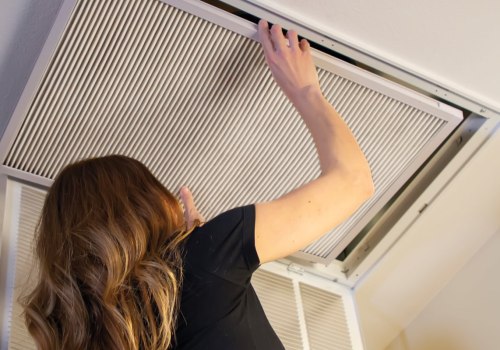
- Regularly Clean or Replace Filters: The air filter in your portable AC plays a vital role in maintaining air quality and efficiency. Check the filter every month, especially during peak usage times. If it appears dirty, clean it according to the manufacturer’s instructions or replace it if necessary. A clean filter not only improves airflow but also enhances cooling performance.
- Empty the Water Tank: Most portable air conditioners come with a water collection tank that needs to be emptied regularly.
Depending on humidity levels, this may need to be done daily or weekly. A full tank can lead to automatic shut-off and may cause mold growth if left unattended.
- Inspect the Exhaust Hose: Ensure that the exhaust hose is not kinked or blocked, as this can hinder airflow and reduce cooling efficiency. Regularly check for any signs of wear or damage, and replace the hose if necessary.
- Clean the Exterior: Dust and debris can accumulate on the exterior of your portable AC unit. Wipe it down with a damp cloth regularly to keep it clean and prevent any potential blockages in airflow.
- Check for Leaks: Inspect your unit for any signs of refrigerant leaks.
If you notice any unusual sounds or a decrease in cooling performance, it may indicate a leak that requires professional attention.
- Store Properly During Off-Season: If you live in an area where you won’t need your portable AC during certain months, store it properly. Clean it thoroughly, remove the water tank, and cover it to protect it from dust and moisture.
Conclusion: Making the Right Choice for Your Cooling Needs
In conclusion, understanding the nuances of portable air conditioners is essential for making an informed decision that aligns with your cooling needs. As we have explored throughout this article, these units offer a unique blend of flexibility and efficiency, making them a viable option for many households.When considering ac installation , it’s crucial to evaluate your specific requirements.Portable air conditioners are particularly advantageous for individuals living in apartments or homes where traditional window units may not be feasible due to space constraints or building regulations. Their mobility allows you to easily transfer cooling power from room to room, ensuring comfort wherever you need it most.However, it’s important to recognize that while portable air conditioners can effectively cool small spaces, they may not be suitable for larger areas or entire homes during extreme heat events. Understanding the limitations of these units is key to setting realistic expectations. For optimal performance, consider the size of the room you intend to cool and select a model with an appropriate BTU rating.Additionally, energy efficiency should be a significant factor in your decision-making process.
Many modern portable air conditioners come equipped with energy-saving features that can help reduce electricity costs while still providing effective cooling. Look for models with high EER (Energy Efficiency Ratio) ratings to ensure you are making a sustainable choice.Ultimately, the right portable air conditioner can enhance your comfort during hot months without the need for extensive ac installation. By carefully assessing your space, budget, and cooling needs, you can find a solution that not only meets your requirements but also contributes to a more enjoyable living environment.In summary, take the time to research and compare different models, read customer reviews, and consider your unique circumstances before making a purchase. With the right information and approach, you can confidently choose a portable air conditioner that will serve you well for years to come.