Portable air conditioners have become increasingly popular in recent years, especially for those seeking flexible cooling solutions without the need for permanent installation. These compact units are designed to provide effective cooling in various settings, from homes to offices, and even temporary spaces like tents or RVs. Understanding how these devices operate is essential for maximizing their benefits, particularly when traditional window venting options are not available. At their core, portable air conditioners function similarly to conventional air conditioning systems. They draw in warm air from the room, cool it using a refrigerant, and then circulate the chilled air back into the space.
However, unlike fixed units that rely on external compressors and extensive ductwork, portable models are self-contained and can be easily moved from one location to another. This mobility allows users to target specific areas that require cooling, making them an ideal choice for those who may not have central air conditioning or wish to supplement existing systems. The benefits of portable air conditioners extend beyond mere convenience. They offer a cost-effective solution for cooling smaller spaces without the need for extensive AC installation. Additionally, many models come equipped with features such as programmable timers, remote controls, and energy-saving modes, enhancing user experience and efficiency.
Furthermore, they can be particularly advantageous in situations where window access is limited or impractical. As we delve deeper into the topic of using portable air conditioners without a window vent, it is crucial to explore alternative ventilation methods and best practices that ensure optimal performance. By understanding the functionality and advantages of these units, you can make informed decisions about how to keep your environment comfortable even in challenging circumstances.
The Importance of Ventilation for Portable AC Units
When it comes to using a portable air conditioner, understanding the significance of proper ventilation is paramount. Unlike traditional air conditioning systems that are often installed with dedicated ductwork, portable units rely on a different mechanism to cool the air. This mechanism involves drawing in warm air from the room, cooling it, and then circulating the chilled air back into the space.However, for this process to function effectively, the warm air must be expelled outside.The cooling process in a portable air conditioner is based on the principles of thermodynamics. As the unit cools the air, it generates heat as a byproduct. If this heat is not adequately vented outside, it can lead to several issues:
- Reduced Efficiency: Without proper ventilation, the unit will struggle to maintain a comfortable temperature. The warm air will mix with the cooled air, forcing the AC to work harder and consume more energy.
- Increased Humidity: A lack of ventilation can lead to higher humidity levels in the room.
This can create an uncomfortable environment and may even promote mold growth.
- Shortened Lifespan: Continuous operation under inefficient conditions can strain the unit, leading to potential breakdowns and a reduced lifespan.
- Window Venting: The most common method involves using a window kit that allows you to vent hot air outside through a window opening.
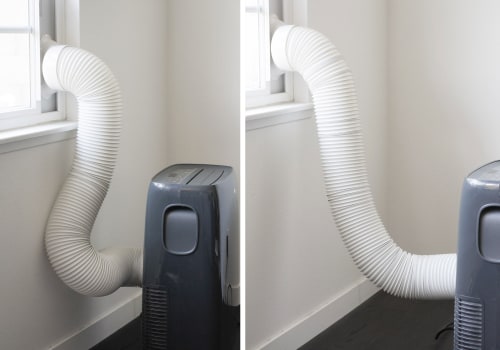
- Ducting Options: For rooms without windows, consider using flexible ducting that can be routed through doors or walls to expel hot air.
- Dryer Vent Kits: These kits are specifically designed for venting hot air through sliding doors or other openings. These kits are specifically designed for venting hot air through sliding doors or other openings.
Alternative Ventilation Methods for Portable Air Conditioners
When using a portable air conditioner without a window vent, finding effective alternative ventilation methods is crucial for maintaining optimal cooling performance.Here are some viable options to consider:
- Dryer Vent Kits: One of the most popular solutions is to use a dryer vent kit. These kits are designed to allow hot air to be expelled through a door or wall, making them ideal for situations where windows are not available. The installation process typically involves attaching a flexible duct to the exhaust port of the portable air conditioner and directing it through the vent kit. This method is relatively straightforward and can be done with minimal tools.
- Wall Venting: If you have the ability to make modifications, wall venting can be an effective option.
This involves creating a hole in an exterior wall to allow the hot air to escape. It’s essential to ensure that the hole is properly sealed and insulated to prevent any air leaks that could compromise the cooling efficiency of your unit. Additionally, consider using a vent cover to protect against outdoor elements.
- Ceiling Venting: In some cases, venting through the ceiling may be feasible, especially in rooms with high ceilings or attics. This method requires careful planning and installation, as it may involve cutting into ceiling materials and ensuring that the ductwork is properly insulated.
Always consult with a professional if you are unsure about this process.
- Using Exhaust Fans: Another alternative is to utilize existing exhaust fans in your home. If you have a bathroom or kitchen exhaust fan, you can position your portable air conditioner near it and use the fan to help expel hot air from the room. While this method may not be as efficient as dedicated venting solutions, it can still provide some relief from heat.
Proper ventilation not only enhances cooling efficiency but also prolongs the lifespan of your unit.In summary, while using a portable air conditioner without a window vent may seem challenging, there are several effective alternative ventilation methods available. By exploring options like dryer vent kits, wall venting, ceiling venting, and utilizing exhaust fans, you can create a comfortable indoor environment even in spaces lacking traditional window access.
Using a Dryer Vent Kit: A Practical Solution
When it comes to using a portable air conditioner without a window vent, a dryer vent kit emerges as a practical and effective solution. This kit allows you to redirect the hot air expelled by your AC unit through an existing dryer vent, making it an ideal choice for rooms lacking windows.Understanding the Dryer Vent Kit
A dryer vent kit typically includes a flexible duct, connectors, and a vent cap. These components work together to create a pathway for hot air to exit your living space.
The flexibility of the duct allows for easy installation in various configurations, accommodating different room layouts.
Installation Steps
- Gather Your Tools: Before starting, ensure you have all necessary tools, including a screwdriver, duct tape, and scissors.
- Locate the Dryer Vent: Identify the location of your existing dryer vent. This is usually found on an exterior wall or near the floor.
- Attach the Duct: Connect one end of the flexible duct to the exhaust port of your portable air conditioner. Secure it with duct tape to prevent any air leaks.
- Route the Duct: Carefully route the duct towards the dryer vent opening. Ensure that it is not kinked or bent sharply, as this can restrict airflow.
- Connect to the Vent: Attach the other end of the duct to the dryer vent.
If necessary, use additional connectors provided in your kit to ensure a snug fit.
- Seal Any Gaps: Use duct tape to seal any gaps between connections. This will enhance efficiency by preventing warm air from leaking back into your space.
- Test Your Setup: Turn on your portable air conditioner and check for proper airflow through the vent. Ensure that hot air is being expelled effectively.
Considerations for Using a Dryer Vent Kit
- Compatibility: Ensure that your portable AC unit is compatible with a dryer vent setup. Check manufacturer guidelines for recommendations.
- Ventilation Efficiency: Regularly inspect and clean the dryer vent to maintain optimal airflow and prevent blockages that could hinder performance.
- Safety Precautions: Avoid using this method if there are any signs of damage or obstruction in your dryer vent system, as this could pose safety risks.
Venting Through Walls or Ceilings: What You Need to Know
When considering the use of a portable air conditioner without a window vent, venting through walls or ceilings can be a viable solution.However, this method requires careful planning and execution to ensure safety and efficiency.
Understanding the Basics of Wall and Ceiling Venting
Venting through walls or ceilings involves creating an opening that allows the hot air expelled by the portable air conditioner to exit the room. This process is essential for maintaining the unit's cooling efficiency, as it prevents the warm air from recirculating back into the space.Tools You Will Need
Before you begin, gather the necessary tools:- Drill: A power drill is essential for making holes in walls or ceilings.
- Hole Saw: This tool will help you create a clean, circular opening for the vent.
- Vent Kit: Purchase a vent kit that includes ducting and a vent cover to ensure proper airflow.
- Measuring Tape: Accurate measurements are crucial for ensuring a proper fit.
- Screwdriver: You may need this for securing the vent cover in place.
Safety Precautions
Before proceeding with any modifications, consider these safety precautions:- Check for Electrical Wiring: Use a stud finder to locate any electrical wires within the wall or ceiling before drilling.
- Avoid Plumbing Lines: Ensure that there are no plumbing lines in the area where you plan to drill.
- Wear Protective Gear: Safety goggles and gloves are recommended to protect yourself from debris.
Steps for Venting Through Walls or Ceilings
- Select Location: Choose an appropriate location for your vent that is as close to the portable air conditioner as possible.
- Measure and Mark: Use your measuring tape to mark where you will drill. Ensure that your measurements align with the size of your vent kit.
- Drill the Hole: Carefully drill through the wall or ceiling using your hole saw. Take your time to avoid damaging surrounding materials.
- Install Vent Kit: Follow the instructions provided with your vent kit to install it securely.
Make sure it fits snugly to prevent any air leaks.
- Seal Edges: Use caulk or weather stripping around the edges of the vent to ensure an airtight seal.
Safety Considerations When Venting Portable AC Units
When utilizing a portable air conditioner without a window vent, safety should be your top priority. Improper venting can lead to serious risks, including fire hazards and health issues. Here are some essential safety considerations to keep in mind:- Avoid Venting Through Chimneys: One of the most critical safety tips is to never attempt to vent your portable AC unit through a working chimney.
This practice can create dangerous backdrafts, leading to carbon monoxide poisoning or other hazardous situations.
- Check for Blockages: If you choose to vent through a wall or ceiling, ensure that the path is clear of any obstructions. Blockages can cause heat buildup, which may damage the unit or create a fire risk.
- Use Approved Venting Kits: When venting through doors or walls, always use kits specifically designed for this purpose. These kits are engineered to safely expel hot air while minimizing the risk of leaks or backflow.
- Seal Gaps and Cracks: Ensure that all gaps around the venting area are properly sealed. This prevents warm air from re-entering the room and maintains the efficiency of your cooling system.
- Regular Maintenance: Regularly inspect your portable AC unit and its venting system for any signs of wear or damage.
A well-maintained unit is less likely to pose safety risks.
This not only enhances performance but also reduces fire hazards.By adhering to these safety considerations, you can enjoy the benefits of your portable air conditioner while minimizing risks associated with improper venting methods. Always prioritize safety in your AC installation process to ensure a cool and secure environment.
Choosing the Right Portable Air Conditioner for Your Needs
When it comes to selecting the best portable air conditioners, understanding your specific needs is crucial. Not all portable AC units are created equal, and the right choice can significantly impact your comfort and energy efficiency. Here are some key features to consider when making your selection:- Cooling Capacity: Measured in BTUs (British Thermal Units), the cooling capacity of a portable air conditioner determines how effectively it can cool a space.
For small rooms (up to 300 square feet), look for units with 8,000 to 10,000 BTUs. For larger areas, you may need 12,000 BTUs or more.
- Energy Efficiency Ratio (EER): This rating indicates how efficiently an air conditioner uses electricity. A higher EER means lower energy consumption and reduced utility bills. Look for units with an EER of 10 or higher.
- Noise Level: Portable air conditioners can vary in noise output, typically measured in decibels (dB).
If you plan to use the unit in a bedroom or office, consider models that operate at 50 dB or lower for a quieter experience.
- Portability Features: Ensure the unit has wheels and a lightweight design for easy movement between rooms. Some models also come with handles for added convenience.
- Installation Requirements: While many portable ACs are designed for easy setup, check if the unit requires any special installation tools or kits. Some may come with a window venting kit, while others might need additional accessories for optimal performance.
- Additional Functions: Many modern portable air conditioners offer multi-functional capabilities such as dehumidifying and fan modes. These features can enhance comfort levels and provide versatility throughout different seasons.
Reading customer reviews and expert recommendations can also provide valuable insights into the performance and reliability of specific models.Ultimately, choosing the right portable air conditioner involves balancing your cooling needs with energy efficiency and ease of use. By focusing on these essential features, you can ensure that your investment will keep you cool and comfortable for years to come.
Best Practices for Operating Portable Air Conditioners Indoors
When it comes to maximizing the efficiency of your portable air conditioner indoors, following best practices can make a significant difference in cooling performance. Here are some essential tips to ensure you get the most out of your unit:- Optimal Placement: Position your portable air conditioner as close to the center of the room as possible. This allows for better air circulation and helps distribute cool air evenly throughout the space.
Avoid placing it in corners or behind furniture, as this can obstruct airflow.
- Seal Openings: To enhance cooling efficiency, inspect your room for any gaps or cracks where warm air might enter. Use weather stripping or caulk to seal these openings. This will help maintain a consistent temperature and reduce the workload on your AC unit.
- Use Fans Wisely: Ceiling fans or oscillating fans can complement your portable air conditioner by helping to circulate cool air more effectively. Set the fans to rotate counterclockwise during the summer months to create a wind-chill effect, making the room feel cooler.
- Close Doors and Windows: Keep all doors and windows closed while operating your portable AC.
This prevents warm outdoor air from seeping in and allows your unit to work more efficiently. If possible, use blackout curtains or shades to block out sunlight during peak hours.
- Regular Maintenance: Ensure that your portable air conditioner is well-maintained by cleaning or replacing filters regularly. Clogged filters can restrict airflow and reduce cooling efficiency. Additionally, check for any dust buildup on the unit's exterior and clean it as needed.
- Monitor Humidity Levels: High humidity can make a room feel warmer than it actually is.
If you live in a particularly humid area, consider using a dehumidifier in conjunction with your portable AC. This will help remove excess moisture from the air, allowing your air conditioner to cool more effectively.
<strong>Frequently Asked Questions</strong>
When it comes to using portable air conditioners without a window vent, many users have questions regarding their functionality, installation, and maintenance. Below are some of the most frequently asked questions that can help clarify common concerns.What are the best alternatives for venting a portable air conditioner?
If you lack a window for venting your portable air conditioner, there are several effective alternatives:- Dryer Vent Kit: This is a popular option that allows you to vent hot air through a sliding door or wall.
Ensure that the kit is compatible with your unit.
- Wall Ventilation: If you’re handy, you can create a vent in an exterior wall. This method requires careful planning and execution to avoid damaging your home.
- Ceiling Venting: Similar to wall venting, this method involves creating an opening in the ceiling to expel hot air. It’s crucial to ensure that this does not compromise your home’s structure.
Can I use my portable air conditioner without any ventilation?
While technically possible, using a portable air conditioner without any form of ventilation is not advisable. The unit will struggle to cool the space effectively as it will recycle warm air, leading to increased energy consumption and reduced efficiency.How do I maintain my portable air conditioner?
Regular maintenance is key to ensuring your portable air conditioner operates efficiently:- Clean or Replace Filters: Check the filters monthly and clean or replace them as needed to maintain airflow and efficiency.
- Inspect Hoses: Ensure that the exhaust hose is free from kinks or obstructions that could hinder airflow.
- Drain Water Regularly: Depending on humidity levels, your unit may accumulate water.
Regularly check and drain the water reservoir to prevent overflow.
Is professional installation necessary for portable air conditioners?
Most portable air conditioners are designed for easy setup and do not require professional installation. However, if you opt for more complex venting solutions, such as wall or ceiling installations, consulting with a professional may be beneficial to ensure safety and compliance with local building codes.By addressing these common questions, users can better understand how to effectively use their portable air conditioners without window vents while ensuring optimal performance and comfort in their living spaces.<strong>Conclusion</strong>
In summary, utilizing a portable air conditioner without a window vent is entirely feasible, provided you take the necessary steps to ensure proper ventilation. Throughout this article, we have explored various methods and best practices that can help you achieve effective cooling in spaces lacking traditional window access.Key Tips for Using a Portable Air Conditioner:
- Choose the Right Unit: Selecting a high-quality portable air conditioner is crucial. Look for models that offer efficient cooling capabilities and are designed for alternative ventilation methods.
- Explore Ventilation Options: If windows are not available, consider using a dryer vent kit or creating a vent through a wall or door.
Ensure that any modifications are done safely and correctly.
- Seal Openings: To maximize cooling efficiency, seal any gaps or cracks in the room where warm air could infiltrate. This will help maintain a consistent temperature and improve the overall performance of your AC unit.
- Positioning Matters: Place your portable air conditioner in a central location within the room to facilitate even air distribution. This will enhance the cooling effect and create a more comfortable environment.
Final Thoughts on Ventilation:
Proper ventilation is paramount when using a portable air conditioner without a window vent. Without adequate exhaust for hot air, the unit will struggle to cool effectively, leading to increased energy consumption and potential overheating.
Always prioritize safety by avoiding inappropriate venting methods, such as through chimneys or other hazardous routes.In conclusion, while AC installation typically involves window units or central systems, portable air conditioners offer flexibility for those in unique living situations. By following the tips outlined above and ensuring proper ventilation, you can enjoy a cool and comfortable space regardless of your room's layout.