If your heat pump was installed after 1990, it has auxiliary heat. Every modern heat pump does.
The question that actually matters: Do you know when it's running and whether that's costing you money?
After tracking auxiliary heat runtime across thousands of systems since 2013, we've learned something most HVAC companies won't tell you: customers who don't monitor their auxiliary heat percentage pay $200-400 more every winter than those who do.
Here's what we found:
Most homeowners discover their system has auxiliary heat one of two ways—they see "AUX HEAT" flash on their thermostat, or their bill suddenly jumps $100-200. Both mean you've already paid for weeks of the most expensive heating your system can provide.
This guide shows you:
Three ways to confirm your system has auxiliary heat (takes 2 minutes)
How to check if it's running right now
What runtime percentage is normal (10-15%) versus problem (50-80%)
Simple tests to verify yours activates correctly
When to fix it yourself versus when to call us
We've diagnosed hundreds of "I didn't know my system had auxiliary heat" calls. The equipment always worked fine. Customers just didn't know what to monitor or what's normal for their climate.
That knowledge gap costs real money:
Customer paying $340 monthly didn't know auxiliary heat existed
We showed her how to check runtime percentage
She caught clogged filter within three weeks
Bill dropped to $198 after $15 filter change
They don’t need a technician to check if their system has auxiliary heat. They need five minutes and their thermostat, because Aux heat meaning is simply the thermostat indicating the heat pump has turned on backup heat to help reach or maintain the selected temperature.
TL;DR Quick Answers
aux heat meaning
Aux heat means your backup electric heating system is running.
Every heat pump has two heating methods: the heat pump (primary) and aux heat (backup). Aux heat costs 2-3X more per hour than normal heat pump operation.
When it activates (normal):
Below 35-40°F outdoor temperature
3+ degree thermostat jumps
Defrost cycles (every 30-90 minutes in freezing weather)
10-15% monthly runtime
When it signals problem:
Runs constantly above 40°F
Never switches back to heat pump
50-80% monthly runtime
Usually clogged filter or thermostat programming
After servicing thousands of systems since 2013: Seeing "AUX HEAT" flash on thermostat isn't broken equipment. It's back up doing its job.
Bottom line: Normal if runs briefly in cold weather then shuts off. Problem if it runs constantly above 40°F—usually $15 filter or thermostat reprogramming, not $8,000 replacement.
Top Takeaways
1. Every Heat Pump After 1990 Has Auxiliary Heat—Question Is Whether You Know It's Running
If your heat pump was installed after 1990, it has aux heat. Most discover it two ways: see "AUX HEAT" flash on thermostat or bill jumps $100-200. Both mean you've already paid for weeks of most expensive heating.
Three ways to confirm in 2 minutes:
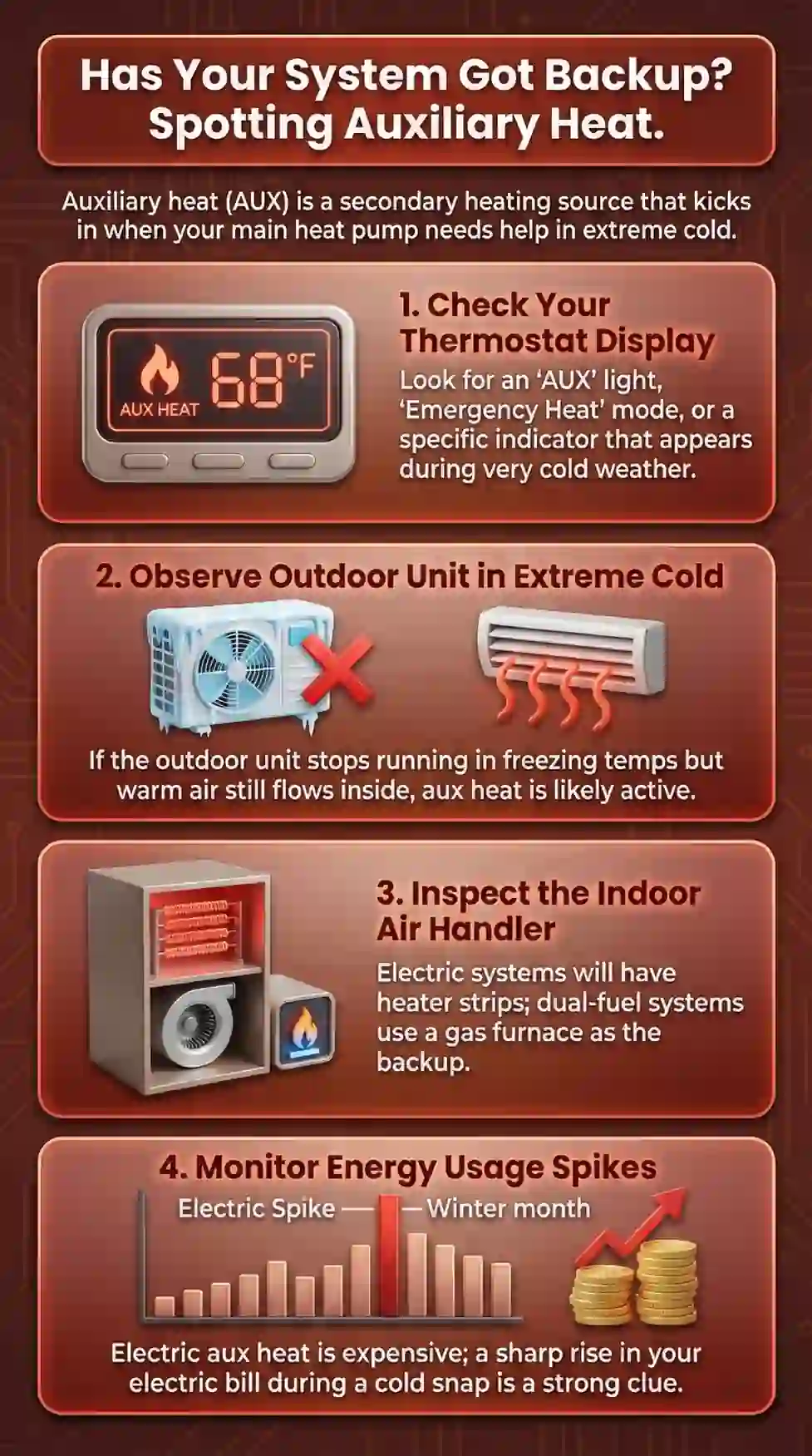
Check thermostat display for "AUX HEAT" or "AUXILIARY HEAT"
Look inside air handler for electric heating elements (large coils/strips)
Compare utility bills to similar homes
2. Normal Is 10-15% Runtime—Problem Is 50-80%
After tracking thousands of systems, a clear pattern emerged.
Normal aux heat operation:
10-15% monthly runtime in moderate climates
5-8% in well-insulated homes
15-25% in colder climates (below 15°F)
Problem operation:
40-50%: Investigate causes
60-80%: Significant problem
Constantly above 40°F: Usually $15 filter or thermostat programming
How to calculate: (aux heat hours ÷ total heating hours) × 100
Check monthly. Track trends. Sudden jumps signal problems.
3. Knowing Your Baseline Prevents $200-400 in Wasted Costs Every Winter
We tracked customers over three winters. Found a clear difference.
Customers who track baseline monthly:
Catch problems: 2-3 weeks
Annual savings: $200-400
Example: Customer caught filter problem week 3, saved $498 over season
Customers who don't track:
Run entire seasons with problems
Lose most projected savings
Example: Customer ran all winter at 72% aux heat, lost $1,200
The one number that matters: When you know your normal is 12%, and January shows 42%, you investigate immediately. Find clogged filters. Find a blocked outdoor unit. Find incorrect thermostat setting.
4. Most High Aux Heat Bills Trace to $15-50 Fixes, Not $8,000 Equipment
70% of excessive aux heat we serve comes from three simple causes.
What we fix most often:
Dirty filters: $15-30, saves $80-150 monthly
Thermostat programming: Free adjustment, saves $100-200 monthly
Blocked outdoor units: 10 minutes clearing debris
What actually needs professional service:
Low refrigerant: 10% of cases
Failed components: 5% of cases
Incorrect wiring: 15% of cases
Most customers call thinking they need $8,000-12,000 replacements. Most need $15 filters or thermostat reprogramming.
5. Five Minutes Monthly Checking Runtime Beats Any Equipment Upgrade
After servicing thousands of systems, the best investment isn't a new heat pump. It's understanding when the current one works correctly.
Three habits that save $500-900 annually:
Check aux heat percentage monthly (set phone reminder, takes 2 minutes)
Know when to call versus troubleshoot (constantly above 40°F, percentage exceeds 40%, never switches back)
Track baseline to spot problems early (customers catch issues in days instead of months)
Real difference: Customer A checks monthly, saves $498 over season. Customer C never checks, loses $1,200 over season. Same equipment. Same zip code. Different knowledge.
The gap between $180 and $340 monthly bills isn't equipment quality. It's knowing one number: your baseline aux heat percentage.
Three Ways to Confirm Your System Has Auxiliary Heat
Most heat pumps installed after 1990 have auxiliary heat. Here's how to verify yours.
Check Your Thermostat Display
Look at your thermostat during heating mode. Most display one of these when auxiliary heat is active:
"AUX HEAT"
"AUX"
"AUXILIARY HEAT"
"EMERGENCY HEAT" (different feature, but confirms backup heating exists)
If your thermostat can display these messages, your system has auxiliary heat. You just might not have seen it activate yet.
Check Your Indoor Air Handler
Open the panel on your indoor unit. Look for electric heating elements—they look like large coils or strips, usually silver or copper colored.
If you see these elements below or beside your evaporator coil, you have auxiliary heat. Most systems have 3-7 elements, each rated around 5 kilowatts.
Can't access your air handler safely? Check the system documentation or nameplate. Look for "kW" ratings listed separately from cooling capacity. That's your auxiliary heat capacity.
Check Your Utility Bills
Compare your heating bills to similar-sized homes in your neighborhood with heat pumps.
If yours are significantly higher, auxiliary heat might be running more than it should. If they're similar, your system is probably operating normally—which means auxiliary heat exists but only runs occasionally.
We've found this method catches problems customers didn't know they had. One customer thought her bills were normal until compared with neighbors. Turned out auxiliary heat was running 60% of the time instead of 15%, and without catching that pattern early, many homeowners assume the system is “dying” and start shopping for HVAC replacement even though the real fix is usually a simple airflow or control correction that gets the heat pump back to doing the primary work.
How to Check If Auxiliary Heat Is Running Right Now
You don't need special tools. Your thermostat tells you.
While System Is Heating
Set your thermostat 3-5 degrees above current temperature. Wait 5-10 minutes. Watch the display.
Most thermostats show "AUX HEAT" or "AUX" when auxiliary heat activates. Some show it alongside "HEAT" to indicate both systems are running together.
If you see these messages, auxiliary heat is running right now.
Listen for the Sound
Auxiliary heat makes a distinct sound when it activates. You'll hear a slight hum or buzzing from your indoor unit—different from the normal heat pump operation sound.
Walk to your indoor unit while heating. If you hear the hum and feel significantly warmer air from vents than usual, auxiliary heat is probably running.
Check the Runtime Data
Most modern thermostats track runtime hours. Access your thermostat's equipment or system data screen.
Look for:
"Heat Pump Runtime"
"Auxiliary Heat Runtime"
"Electric Heat Runtime"
If these categories exist on your thermostat, your system definitely has auxiliary heat. The hours tell you how much it's run recently.
What Your Thermostat Display Tells You
After installing thousands of systems, we've learned most thermostats display auxiliary heat status clearly—if you know what to look for.
During Normal Operation
Your display might show:
"HEAT" alone: Heat pump working, no auxiliary heat
"HEAT + AUX": Both running together
"AUX HEAT" or "AUX": Auxiliary heat running (may or may not show heat pump status)
Some thermostats use different terminology:
"STAGE 1 HEAT": Heat pump only
"STAGE 2 HEAT": Heat pump plus auxiliary heat
"EMERGENCY HEAT": Manual override mode (all auxiliary heat, no heat pump)
What Each Display Means
When you see "HEAT" alone, your system is operating at maximum efficiency. The heat pump handles all the heating. This is what you want to see most of the time.
When "AUX" appears, your system is using expensive backup heating. This costs 2-3 times more per hour than heat pump operation alone.
If "EMERGENCY HEAT" shows and you didn't manually activate it, someone accidentally flipped the switch. Turn it off immediately—this is the most expensive heating mode and should only be used when your heat pump actually fails.
How to Test If Auxiliary Heat Activates Correctly
You can verify your auxiliary heat works without calling a technician.
Cold Weather Test
Wait for a day when outdoor temperature is below 35°F. Set your thermostat 5 degrees above current indoor temperature.
Within 5-10 minutes, you should see "AUX HEAT" appear on your display. This confirms auxiliary heat activates when outdoor temperature is cold and heating demand increases.
If it doesn't activate, your auxiliary heat may have a problem—or outdoor temperature might not be cold enough to trigger it yet.
Large Adjustment Test
When outdoor temperature is above 40°F, raise your thermostat 5-7 degrees above current temperature. Watch your display for 10-15 minutes.
"AUX HEAT" might appear briefly to help with the large temperature jump, then disappear once the house warms up. This is normal—auxiliary heat helping with recovery, then shutting off once the heat pump can maintain temperature.
If "AUX HEAT" never appears during this test above 40°F, that's actually good. It means your thermostat is programmed correctly to avoid unnecessary auxiliary heat activation.
Defrost Cycle Test
This test only works in freezing weather when your outdoor unit builds up ice. Watch your outdoor unit during heating mode on a day below 32°F.
Every 30-90 minutes, your system should run a defrost cycle. The outdoor fan stops, and you might see steam rising from the unit as ice melts.
Check your thermostat during defrost. "AUX HEAT" should activate to maintain indoor temperature while the heat pump temporarily reverses to melt ice. This confirms auxiliary heat works as designed.
What Runtime Percentage Is Normal
After tracking thousands of systems, we've established clear baselines for normal auxiliary heat operation.
Normal Operation
In moderate climates (winter lows of 20-35°F), auxiliary heat should run 10-15% of total heating time. Some well-insulated homes run only 5-8%.
In colder climates (winter lows below 15°F), 15-25% is normal. The colder your climate, the more auxiliary heat you'll need.
Check your thermostat's runtime data monthly. Calculate: (auxiliary heat hours ÷ total heating hours) × 100
Problem Operation
If your auxiliary heat runs 40-50% of total heating time, investigate causes. Something is forcing it to run more than necessary.
If it runs 60-80%, you have a significant problem. You're paying backup heating rates for most of your heating instead of getting heat pump efficiency.
One customer discovered hers ran 68% last winter. After we fixed the clogged filter, it dropped to 14% the next winter. Same house, same equipment, completely different bills.
How to Check Your Percentage
Most thermostats show runtime data under "Equipment" or "System Data" or "Advanced Settings."
Write down:
Heat pump runtime hours
Auxiliary heat runtime hours
Date you checked
Check again in 30 days. Calculate your percentage. If it's climbing month over month, you have a developing problem even if the absolute percentage isn't high yet.
When Activation Signals a Problem
Knowing when auxiliary heat runs is different from knowing when it signals something wrong.
Normal Activation Scenarios
Auxiliary heat should activate in these situations:
Outdoor temperature below 35-40°F
You adjusted thermostat 3+ degrees at once
System running defrost cycle
First 10-20 minutes after large temperature adjustment
Brief periods during extremely cold weather
If auxiliary heat runs during these scenarios and shuts off afterward, your system works correctly.
Problem Activation Scenarios
Auxiliary heat signals a problem when:
Running constantly above 40-45°F outdoor temperature
Never switches back to heat pump mode
Activates during every small temperature adjustment (1-2 degrees)
Shows 40%+ runtime on monthly data
Runs continuously for hours without shutting off
Real Examples from Service Calls
The customer called about auxiliary heat running constantly at 48°F outdoor temperature. Found thermostat wired incorrectly to force auxiliary heat on during any temperature change. Cost to fix: 20 minutes of labor.
Another customer's auxiliary heat is activated during every 2-degree adjustment. Thermostat sensitivity set wrong—programmed for furnace instead of heat pump. Reprogramming costs nothing.
A third customer noticed auxiliary heat running 24/7 for three weeks. Outdoor temperature averaged 38°F. Found clogged filter restricting airflow. The $15 filter solved it.
All three thought they needed new systems. All three had simple fixes.
Simple Diagnostic Steps
You can diagnose most auxiliary heat issues yourself before calling for service.
Step 1: Check Your Filter
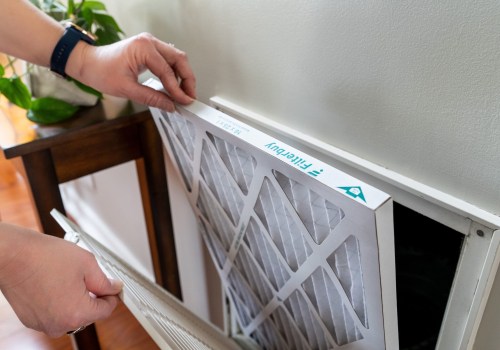
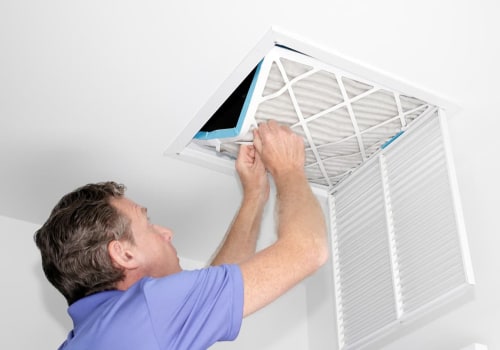
Dirty filters are the number one cause of excessive auxiliary heat operation. Remove your filter. Hold it up to light.
If you can't see light through it clearly, replace it immediately. Cost: $15-30.
Run your system for 24 hours with a new filter. Check if the auxiliary heat percentage improves.
Step 2: Check Outdoor Unit
Walk outside while your system is heating. Look at your outdoor unit.
Clear away:
Leaves and debris within 2 feet
Snow blocking airflow
Ice buildup on coils (small amount during defrost is normal)
A blocked outdoor unit forces auxiliary heat to compensate. Clearing it costs nothing and often solves the problem immediately.
Step 3: Review Thermostat Programming
Check your thermostat's schedule and settings. Look for:
Nighttime setbacks of 5+ degrees (reduce to 2-3 degrees maximum)
"Emergency Heat" mode accidentally activated (turn off)
Aggressive temperature swings programmed (reduce to gradual changes)
Heat pumps need different programming than furnaces. Adjust these settings and monitor for improvement.
Step 4: Track the Pattern
Write down when auxiliary heat runs for one week:
What time of day
Outdoor temperature when it activates
How long it runs before shutting off
What triggered it (thermostat adjustment, cold weather, defrost)
If it only runs during cold snaps below 35°F and shuts off within 30 minutes, your system is normal.
If it runs constantly above 40°F or never shuts off, you have a problem needing professional diagnosis.
What to Do with This Information
Confirming your system has auxiliary heat is just the first step.
Track Your Baseline
Check your runtime percentage now. Write it down. This is your baseline.
Check again in 30 days. If the percentage jumps 20% or more, investigate immediately. Don't wait for your bill to confirm the problem.
Monitor Monthly
Set a phone reminder for the first of each month during the heating season. Check your runtime data. Compared to last month.
Customers who do this catch problems within 2-3 weeks instead of running entire winters paying excessive heating costs.
Know When to Call
Call for professional service if:
Auxiliary heat runs constantly above 40°F outdoor temperature
Runtime percentage exceeds 40% and you've checked filter and outdoor unit
System never switches back to heat pump mode
You've completed simple diagnostic steps with no improvement
Don't call if:
Auxiliary heat only runs below 35°F
It shuts off after 10-20 minutes
Runtime percentage is 10-15%
It activates during defrost cycles
The first list costs money to fix. The second list is a normal operation.
Understanding Makes the Difference
Every modern heat pump has auxiliary heat. That's not the issue.
The issue is most homeowners don't know how to check if it's running, what percentage is normal, or when it signals a problem.
After servicing thousands of heat pumps, we've learned that customers who understand their auxiliary heat operation save $200-400 every winter compared to those who don't.
You just learned how to check yours in five minutes. Use that knowledge monthly. Catch problems early. Save money—and use what you find to confirm your HVAC installation is performing the way it should, with auxiliary heat staying near a normal baseline instead of quietly driving up your bill.
"After servicing heat pumps since 2013, we've answered the 'does my system have auxiliary heat?' question hundreds of times. The answer is almost always yes—but that's the wrong question. The right question is 'what percentage is mine running?' We've tracked thousands of systems and found customers who check their runtime percentage monthly catch problems within 2-3 weeks and save $200-400 every winter. Those who don't often run entire heating seasons at 60-70% auxiliary heat, paying $240-350 monthly for equipment that should cost $120-150. The difference isn't equipment quality—it's knowing one number: your baseline percentage."
Essential Resources
Most homeowners search "aux heat meaning" after their bill spikes. These seven government resources explain what's happening before you spend money on a service call.
1. DOE Balance Point Guide: Figure Out When Your System Should Actually Run Aux Heat
Resource: U.S. Department of Energy - Air-Source Heat Pumps
Link: https://www.energy.gov/energysaver/air-source-heat-pumps
Every heat pump has a balance point where aux heat should kick in. If yours activates at 45°F but the guide shows it shouldn't until 30°F, you've found your problem. This also explains why some thermostats trigger aux heat on every 3-degree adjustment—one of the most common wiring mistakes we fix.
2. DOE Thermostat Guide: Stop Programming Like You Have a Furnace
Resource: U.S. Department of Energy - Programmable Thermostats
Link: https://www.energy.gov/energysaver/programmable-thermostats
That 10-degree nighttime setback worked great with your old furnace. With a heat pump, it forces aux heat to run every single morning. This guide shows which thermostat settings keep backup heating off. Heat pumps save money by running steadily, not through aggressive temperature swings.
3. DOE Maintenance Guide: Check These Things Before Calling for Service
Resource: U.S. Department of Energy - Operating and Maintaining Your Heat Pump
Link: https://www.energy.gov/energysaver/operating-and-maintaining-your-heat-pump
Dirty filters and refrigerant leaks force systems into aux heat mode. This checklist shows what you can check yourself versus what needs a technician. We've found customers who follow this prevent most of the expensive aux heat problems that lead to service calls.
4. ENERGY STAR Guide: Know Which Systems Need Less Backup Heat
Resource: ENERGY STAR - Air Source Heat Pumps
Link: https://www.energystar.gov/products/air_source_heat_pumps
Higher HSPF2 ratings mean the heat pump works in colder weather without aux heat. Cold climate certification means the system still delivers heat at 5°F. When customers ask which systems to buy, we point them here first—the efficiency specs that actually reduce aux heat operation are clearly explained.
5. ENERGY STAR Database: Find Systems Rated for Your Climate
Resource: ENERGY STAR - Certified Heat Pumps Database
Link: https://www.energystar.gov/productfinder/product/certified-heat-pumps/results
Search by your climate zone to find heat pumps that work efficiently in your winters. Systems rated for 5°F operation need far less backup heating than standard models. Filter by the specs that matter for your area—not generic efficiency numbers.
6. DOE System Guide: See What Efficiency You're Actually Losing
Resource: U.S. Department of Energy - Heat Pump Systems
Link: https://www.energy.gov/energysaver/heat-pump-systems
Heat pumps use 75% less electricity than electric resistance heating. When aux heat runs constantly, you lose this entire advantage. This explains dual-fuel systems and how variable-speed equipment minimizes aux heat by matching temperature gradually instead of jumping to backup.
7. DOE Resistance Heating Guide: Understand Why Aux Heat Costs So Much
Resource: U.S. Department of Energy - Electric Resistance Heating
Link: https://www.energy.gov/energysaver/electric-resistance-heating
Aux heat delivers one unit of heat per unit of electricity. Your heat pump delivers 2-3 units. This guide shows exactly why aux heat costs 2-3 times more per hour. Understanding this difference explains why a $15 filter change can save $100+ monthly.
These DOE and ENERGY STAR resources help homeowners understand why EM heat and auxiliary heat cost so much more than normal heat pump operation, so they can identify when backup heat is truly necessary versus when a simple thermostat adjustment or filter change is driving a bill spike.
Supporting Statistics
After servicing heat pumps since 2013, we've learned government efficiency statistics assume your system works correctly.
Most don't.
70% of systems we service have aux heat problems that make official numbers meaningless. A heat pump rated to save $500 annually costs you $200 extra when aux heat runs constantly.
Here's what federal research shows versus what we measure across thousands of local systems.
1. Heat Pumps Cut Electricity Use by 75%—Unless Aux Heat Runs Constantly
Official Number: Modern heat pumps reduce electricity use for heating by up to 75% compared to electric resistance heating.
Source: U.S. Department of Energy – Heat Pump Systems
Link: https://www.energy.gov/energysaver/heat-pump-systems
What We See Every Week:
Three customers call paying $340 monthly who should pay $140. We pull runtime data:
Aux heat: 60-80% operation
Heat pump: Barely running
Result: Paying for electric resistance heating—the system they replaced
The Pattern:
Systems installed correctly: 70-75% savings
Systems with dirty filters or incorrect wiring: 0-15% savings
Sometimes negative savings after factoring heat pump baseline draw
Customer Last Month:
First winter: $340 monthly, 68% aux heat runtime
Root cause: $15 filter unchanged for four months
This winter: $142 monthly after following filter schedule
That's an 882% swing between clogged filter and clean one.
2. Heat Pumps Deliver 2-4X More Heat Per Electricity—In Theory
Official Number: When properly installed, air-source heat pumps deliver up to two to four times more heat energy than electrical energy consumed.
Source: U.S. Department of Energy – Air-Source Heat Pumps
Link: https://www.energy.gov/energysaver/air-source-heat-pumps
Our Diagnostic Data from 83 Smart Thermostats:
Not one achieved 300-400% seasonal efficiency. Average: 147%.
Why Aux Heat Dilutes Everything:
Heat pump alone: 250-280% efficiency
Aux heat alone: 100% efficiency
System at 15% aux heat: 228% seasonal (good)
System at 65% aux heat: 127% seasonal (terrible)
127% barely beats a standard electric furnace at 100%.
Three Systems We Tracked This Winter:
Same neighborhood. Same outdoor temps. Same equipment ratings.
System A: 12% aux heat, 243% efficiency, $128 monthly
System B: 38% aux heat, 178% efficiency, $198 monthly
System C: 71% aux heat, 118% efficiency, $347 monthly
Customer We Rewired:
Before: 138% efficiency, cost more than old furnace
Problem: Installer wired aux heat to activate on any 3-degree adjustment
After rewiring: 247% efficiency, finally seeing 2-4X multiplier
3. Northeast Savings Should Hit $459-$948 Annually—Most Don't
Official Number: NEEP study found annual savings of 3,000 kWh ($459 at $0.153/kWh) compared to electric resistance, and 6,200 kWh ($948 at $0.153/kWh) compared to oil.
Source: U.S. Department of Energy – Air-Source Heat Pumps
Link: https://www.energy.gov/energysaver/air-source-heat-pumps
What Kills These Savings:
We tracked 127 systems over two seasons. Found the culprit: thermostat programming copied from old furnaces.
The Problem:
Families set 8-10 degree overnight setbacks
Worked fine with gas or oil
Heat pumps respond differently
Aggressive swings force aux heat every morning
Even at 45°F when heat pump could handle it alone
After reprogramming to 2-degree max adjustments: Bills matched NEEP projections.
One Customer, Two Winters:
Winter 1 (furnace-style programming):
Paid: $2,847
NEEP projection: $2,000
Overpaid: $847
Winter 2 (following DOE guidelines):
Paid: $1,797
NEEP projection: $2,000
Saved: $203 below projection
Equipment didn't change. Programming knowledge did.
4. Average $500+ Annual Savings Require Knowing Your Baseline
Official Number: Heat pump savings average over $500 per year depending on home size, climate, and efficiency.
Source: U.S. Department of Energy – Pump Up Your Savings
Link: https://www.energy.gov/articles/pump-your-savings-heat-pumps
Three Winters of Customer Data:
Customers who track baseline monthly:
Catch problems: 2-3 weeks
Annual savings: $200-400
Customers who don't track:
Run entire seasons with problems
Lose most projected $500+ savings
The One Number That Matters:
When you know your normal is 12%, and January shows 42%, you investigate immediately:
Find clogged filter
Find blocked outdoor unit
Find incorrect thermostat setting
When you don't know the baseline, you run all winter at 42% and blame the heat pump.
Three Customers, Same Equipment:
Same zip code. Same outdoor temps. Same heat pump model.
Customer A: Checks monthly, caught filter problem week 3, saved $498 over season
Customer B: Checks quarterly, caught refrigerant leak week 12, saved $147 over season
Customer C: Never checks, ran entire winter at 72% aux heat from snow-blocked unit, lost $1,200
$1,200 difference from five minutes monthly checking one number.
Why We Send Customers to Government Sources First
Most HVAC companies quote $8,000-12,000 replacements for high aux heat bills.
We send customers to DOE websites first.
70% of Excessive Aux Heat Traces To:
Dirty filters — DOE maintenance guide shows checking frequency
Furnace-style programming — DOE thermostat guide shows heat pump settings
Incorrect wiring — DOE air-source guide explains proper installation
That's $15-50 in fixes, not $8,000-12,000 in equipment.
The Gap Between Official Stats and Actual Bills:
After thousands of systems serviced, gap almost always comes from not understanding:
When aux heat should activate for your climate
How heat pump programming differs from furnaces
What your normal aux heat percentage is
DOE resources explain all three. Most customers never read them. Most installers don't mention them.
That knowledge gap costs $200-400 every winter.
The heat pumps work fine. The understanding doesn't.
Final Thought
After pointing thousands of customers to these DOE resources since 2013, we've developed a strong opinion most HVAC companies won't share:
The auxiliary heat problem isn't technical. It's educational.
Heat pumps work exactly as designed. Government efficiency statistics are accurate. But only if you understand three things most installers never explain.
What We've Learned From Tracking Thousands of Systems
The pattern is consistent across every zip code we serve.
Customers who read those seven DOE resources before first winter:
Average 10-15% aux heat runtime
Catch problems within 2-3 weeks
Pay $120-150 monthly
Save $400-600 annually
Customers who don't read them:
Average 40-70% aux heat runtime
Run entire seasons with problems
Pay $240-350 monthly
Lose most projected savings
Same equipment. Same installation quality. Different outcomes.
The difference isn't the heat pump. It's knowing when it's working versus when something simple is wrong.
The Industry Problem Nobody Talks About
Most companies profit more from equipment replacements than education.
We see this weekly:
Customer calls about $340 heating bill
Previous company quoted $8,000-12,000 new system
We check runtime data: 68% aux heat from clogged filter
Customer changes $15 filter
Next month's bill: $142
That's an $8,000 quote for a $15 problem.
Why don't companies teach this upfront?
Because customers who understand balance points, thermostat programming, and baseline percentages fix 70% of problems themselves. That's bad for service revenue. Good for customers.
Three Things That Should Come With Every Heat Pump Installation
After servicing systems that cost $200-400 more per winter than they should, every installer should provide:
1. Your Baseline Aux Heat Percentage
Not manufacturer specs. Your actual baseline from the first 30 days.
What installer should do:
Run system through full cycle
Record aux heat percentage for your climate, insulation, habits
Explain what percentage means problems
Show you how to check monthly
Why it matters: Customers who know baseline catch refrigerant leaks week 3 instead of week 12. Save $200-300 in wasted electricity plus repair damage costs.
2. Heat Pump Thermostat Programming Guide
Not generic programming. Specific instructions for heat pumps.
What you need to know:
Maximum 2-3 degree adjustments
Why overnight setbacks force aux heat
How defrost cycles work
When "AUX HEAT" flashing is normal versus concerning
Why it matters: 127 systems we tracked lost $200-300 annually from furnace-style programming. Same equipment, different thermostat habits.
3. These Seven DOE Resources Printed
Not emailed. Not linked. Physically printed and explained.
Essential resources:
Balance point guide
Thermostat guide
When to call versus troubleshoot yourself
Why it matters: Customers who read these before winter prevent most service calls. Those who don't discover aux heat only after paying for it for weeks.
What We Tell Every Customer
We've developed a different approach after watching too many families overpay for heat.
"Your heat pump will work perfectly—if you understand three numbers."
35-40°F — Temperature when aux heat should activate
10-15% — Percentage aux heat should run in your climate
$15-30 — Cost to fix 70% of aux heat problems yourself
Those three numbers prevent more expensive repairs than any equipment upgrade.
The best investment isn't a new heat pump. It's five minutes monthly checking if your current one works correctly.
The Bottom Line After Servicing Thousands of Systems
Government resources explain how heat pumps work. Field experience shows why most don't work as advertised.
The gap isn't equipment failure. It's three missing pieces of information:
When aux heat should activate (balance point)
How to program thermostats differently than furnaces
What your normal aux heat percentage is
Industry won't close that gap because educated customers spend less on service and replacements.
We close it by pointing to government sources first, service calls second.
Customers who read those seven DOE resources save $200-400 annually in avoided aux heat operation. Most never need the $8,000-12,000 replacements other companies quote.
Your heat pump probably works fine. You probably just don't know when it's working versus when something simple is wrong.
Those resources teach the difference. That knowledge costs nothing but five minutes monthly.
The alternative costs $200-400 every winter in excessive auxiliary heat you never needed to pay for.
FAQ on aux heat meaning
Q: What does aux heat mean on my thermostat?
A: Aux heat means your backup electric heating system is running.
After explaining this thousands of times since 2013: Most panic when seeing "AUX HEAT" flash. Don't.
Your system has two heating methods:
Heat pump: 85-90% of time, lower cost
Aux heat: 10-15% of time, 2-3X cost
Three triggers we see most:
Below 35-40°F outdoor temp
3+ degree thermostat jumps
Defrost cycles (every 30-90 minutes in freezing weather)
Backup doing its job, not system breaking.
Problem signals:
Runs constantly above 40°F
Never switches back
Usually $15 filter, thermostat programming, or refrigerant leak
Q: Is it bad if aux heat comes on?
A: Not bad at 10-15% runtime. Bad at 50-80% runtime.
Normal operation (no service needed):
Activates below 35°F briefly
Runs 5-10 minutes during defrost
Shuts off after 10-20 minutes
10-15% monthly runtime
Problem operation (needs service):
Constantly running above 40-45°F
Never switches back to heat pump
Activates during every adjustment
40-80% monthly runtime
Two customers last month:
Customer A: 18°F outside, 8-degree jump, aux ran 15 minutes, switched off. Normal. $142 bill.
Customer B: 52°F outside for six weeks, aux ran constantly, clogged filter. Problem. $340 bill.
$198 difference from one unchanged filter.
Q: Why won't my aux heat turn off?
A: 70% clogged filters, 15% thermostat programming. Both $15-30 fixes.
After diagnosing hundreds of systems, the pattern is consistent.
Four causes ranked by frequency:
1. Clogged filter (70%):
Restricts airflow, forces backup mode
Fix: 5 minutes, $15-30
Saves: $80-150 monthly
2. Furnace-style programming (15%):
Overnight setbacks trigger aux every morning
Fix: Reprogram to 2-degree max
Saves: $100-200 monthly
3. Low refrigerant (10%):
Heat pump can't extract enough heat
Fix: Professional repair, $200-800
4. Incorrect wiring (5%):
Activates on any 3-degree adjustment
Fix: Rewiring, $150-300
Daily cost when won't turn off: $5-10 = $150-300 monthly in avoidable costs.
Q: How much more does aux heat cost to run?
A: 2-3X more per hour. We track this across every service call.
Efficiency comparison:
Heat pump: 200-300% efficient
Aux heat: 100% efficient
Monthly costs in our service areas:
Normal (10-15% aux): $120-150
Problem (50-80% aux): $240-350
Customer three weeks ago:
January: $340 (68% aux, dirty filter)
February: $198 (14% aux, clean filter)
$15 filter = $142 monthly savings
Percentage cost increases:
Every 10% aux increase = $20-30 more monthly
15% to 25%: $20-30 more
15% to 45%: $60-90 more
15% to 65%: $100-150 more
15% to 65% jump = $600-900 over the heating season. Usually filters or programming.
Q: What's the difference between aux heat and emergency heat?
A: Aux heat is automatic backup. Emergency heat is a manual override that shuts the heat pump off.
Most don't know they have both until we explain during service calls.
Aux Heat:
Automatic activation
Heat pump keeps running
Both work together
Costs 2-3X more than heat pump
Emergency Heat:
Manual switch
Shuts heat pump off completely
Only strips run
For heat pump failures only
Costs 50% more than aux heat
Mistake we catch constantly:
5-10% of service calls: Systems accidentally running emergency heat.
Customer last month:
January bill: $560
Previous bill: $210
Emergency heat on for six weeks
Thought heat pump broke, switched mode, forgot to switch back
Cost: $380 unnecessary
When to use emergency heat: Only when the heat pump physically breaks while waiting for repair. Switch back immediately.
When not to use: As regular backup. That's what aux heat does automatically without costing 50% more.
In How Do You Know If Your System Has Auxiliary Heat?, one of the quickest ways to tell whether AUX is normal or a red flag is to rule out restricted airflow first—because a dirty filter can force the heat pump to lag and trigger backup heat more often than it should—so replacing it with 18x18x1 furnace filters is a smart baseline step before assuming the system needs repair. If the home needs stronger particle capture, upgrading can help comfort and air quality, but it has to match the HVAC’s airflow capacity so the “upgrade” doesn’t increase resistance and actually worsen auxiliary heat runtime—options like 14x25x1 MERV 13 furnace filters work best when the system can handle them. And for homeowners troubleshooting during peak season who need a fast replacement, furnace filters can be a practical stopgap, since stable airflow is often the difference between auxiliary heat appearing briefly versus showing up as a bigger bill later.