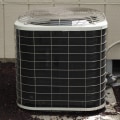
Understanding the lifespan of your air conditioning (AC) unit is crucial for homeowners who want to maintain a comfortable living environment while managing energy costs. On average, an AC unit can last anywhere from 10 to 15 years, but this range can vary significantly based on several factors, including the type of system, usage patterns, and maintenance practices. Knowing how long your AC is expected to last can help you make informed decisions about repairs and replacements.As your air conditioning system ages, its efficiency tends to decline. This means that not only will it struggle to keep your home cool during the hottest months, but it will also consume more energy, leading to higher utility bills.
Understanding the typical air conditioning lifespan allows you to anticipate when it might be time to consider a replacement. For instance, if your unit is approaching the 10-year mark and you notice a spike in energy costs or frequent breakdowns, it may be a sign that investing in a new system could save you money in the long run.Moreover, various factors can influence how long your AC lasts. Regular maintenance plays a significant role; systems that receive annual check-ups and timely repairs tend to have longer lifespans. Additionally, the climate in which you live can impact wear and tear on your unit.
In regions with extreme temperatures, air conditioners may work harder and wear out faster than those in milder climates. By understanding these dynamics, you can better assess the health of your AC unit and determine when it might be time for an AC installation.
Signs That Indicate It's Time to Replace Your AC Unit
Recognizing the right time to replace your air conditioning unit is crucial for maintaining a comfortable home environment and managing energy costs. Here are some key indicators that suggest it may be time to consider a replacement:- Age of the Unit: One of the most significant factors to consider is the age of your AC unit. Most air conditioning systems have a lifespan of about 10 to 15 years.
If your unit is approaching or has surpassed this age range, it’s wise to start planning for a replacement. Older units tend to lose efficiency, leading to higher energy bills and more frequent repairs.
- Rising Energy Bills: If you notice a steady increase in your energy bills without any changes in usage, it could be a sign that your AC unit is no longer operating efficiently. As systems age, they often require more energy to cool your home effectively, which can significantly impact your monthly expenses.
- Frequent Repairs: If you find yourself calling for repairs multiple times each season, it may be more cost-effective to invest in a new unit. A good rule of thumb is if repair costs exceed 50% of the price of a new system, replacement is likely the better option.
- Inconsistent Temperatures: Are some rooms in your home warmer or cooler than others? Inconsistent cooling can indicate that your AC unit is struggling to distribute air evenly throughout your space.
This could be due to duct issues or an aging system that can no longer maintain proper airflow.
- Unusual Noises: Strange sounds coming from your AC unit, such as grinding, squealing, or banging, can signal serious mechanical issues. While some noises may be minor and easily fixable, persistent or loud sounds often indicate that the system is failing and may need replacement.
- Humidity Issues: An effective air conditioning system not only cools but also dehumidifies the air. If you notice excessive humidity levels in your home despite running the AC, it may be time for a new unit. An inefficient system struggles to remove moisture from the air, leading to discomfort and potential mold growth.
Addressing these issues promptly can save money in the long run and ensure a comfortable living environment.
The Cost of Repairs vs. Replacement: Making the Right Choice
When faced with the decision of whether to repair or replace your air conditioning unit, understanding the financial implications is crucial. The cost of repairs can vary significantly based on the nature of the issue, the age of the unit, and the availability of parts. However, there are some general guidelines that can help you make an informed choice.Assessing Repair Costs
- For minor issues, such as a clogged filter or a faulty thermostat, repairs can be relatively inexpensive and may only require a service call and a few parts.
- As your AC unit ages, however, repairs can become more frequent and costly.
If you find yourself spending money on repairs multiple times a year, it may be time to consider replacement.
- A common rule of thumb is that if the cost of repairs exceeds 50% of the price of a new unit, replacement is often the more economical choice.
Evaluating Replacement Costs
Investing in a new AC installation can seem daunting due to the upfront costs. However, it’s essential to consider long-term savings:
- Newer models are designed to be more energy-efficient, which can lead to significant savings on your monthly energy bills.
- Many modern units come with warranties that cover parts and labor for several years, reducing future repair costs.
- Additionally, newer systems often have advanced features that enhance comfort and air quality in your home.
Making the Right Choice
Ultimately, the decision to repair or replace your AC unit should be based on a combination of factors:
- Age of the Unit: If your system is over 10 years old and requires significant repairs, replacement may be wise.
- Frequency of Repairs: If you find yourself frequently calling for service, it may indicate that your unit is nearing the end of its lifespan.
- Energy Efficiency: Consider how much you spend on energy bills. If your unit is inefficient, investing in a new model could save you money in the long run.
Energy Efficiency and Your Air Conditioning System
In today's world, energy efficiency has become a crucial factor in the selection and operation of air conditioning systems.As technology advances, older air conditioning units often fall short of modern energy efficiency standards, leading to higher energy bills and a larger carbon footprint. Understanding the importance of energy efficiency in your AC unit can not only save you money but also contribute positively to the environment.
Benefits of Energy-Efficient Air Conditioners
- Lower Energy Bills: One of the most immediate benefits of upgrading to an energy-efficient air conditioning system is the reduction in monthly energy costs. These units are designed to use less electricity while providing the same level of cooling, which can lead to significant savings over time.
- Improved Comfort: Energy-efficient models often come equipped with advanced technology that allows for better temperature control and humidity management. This means your home will not only be cooler but also more comfortable during the hot summer months.
- Environmental Impact: By choosing an energy-efficient AC unit, you are making a conscious decision to reduce your carbon footprint.
These systems consume less energy, which translates to lower greenhouse gas emissions from power plants.
- Increased Home Value: Homes equipped with modern, energy-efficient appliances tend to have higher resale values. Potential buyers are often willing to pay more for homes that promise lower utility costs and a reduced environmental impact.
Understanding SEER Ratings
The Seasonal Energy Efficiency Ratio (SEER) is a critical metric that measures the efficiency of air conditioning systems. The higher the SEER rating, the more efficient the unit is at converting electricity into cooling power. For instance, a unit with a SEER rating of 16 is significantly more efficient than one rated at 10. In fact, as of 2023, the minimum SEER rating for new air conditioning systems has been raised to 14 in many regions, reflecting a push towards greater energy efficiency.When considering an AC installation, it’s essential to look for units with higher SEER ratings.
Not only do these units provide better cooling performance, but they also qualify for various rebates and incentives offered by utility companies and government programs aimed at promoting energy efficiency.In conclusion, investing in an energy-efficient air conditioning system is not just about immediate comfort; it’s about long-term savings and environmental responsibility. As you evaluate your options for AC installation, prioritize models that meet or exceed current energy efficiency standards to ensure you’re making a wise investment for both your wallet and the planet.
The Role of Regular Maintenance in Extending AC Lifespan
Regular maintenance is crucial for ensuring the longevity and efficiency of your air conditioning unit. Just like any other mechanical system, your AC requires periodic check-ups and care to function optimally. By investing time and resources into AC maintenance , you can significantly extend its lifespan and avoid costly repairs down the line.One of the primary benefits of regular HVAC maintenance is that it helps identify potential issues before they escalate into major problems.During routine inspections, a qualified technician can detect minor malfunctions, such as refrigerant leaks or electrical issues, that could lead to more severe damage if left unaddressed. This proactive approach not only saves you money on repairs but also ensures your system operates efficiently.
Key AC Maintenance Tips
- Change Filters Regularly: One of the simplest yet most effective maintenance tasks is changing your air filters. Clogged filters restrict airflow, making your AC work harder and reducing its efficiency. Aim to replace or clean your filters every 1-3 months, depending on usage.
- Keep the Outdoor Unit Clean: Ensure that the area around your outdoor unit is free from debris, such as leaves and dirt.
This allows for proper airflow and prevents overheating.
- Schedule Annual Professional Inspections: Having a professional technician inspect your system at least once a year can help catch issues early. They will perform a thorough check-up, including cleaning coils, checking refrigerant levels, and inspecting electrical components.
- Monitor Thermostat Settings: Ensure that your thermostat is functioning correctly. A malfunctioning thermostat can lead to inefficient cooling and increased energy bills.
In fact, according to the U. S. Department of Energy, proper maintenance can improve your system's efficiency by up to 15%.In conclusion, prioritizing regular maintenance for your air conditioning unit is essential for maximizing its lifespan and performance. By following these AC maintenance tips and scheduling professional inspections, you can enjoy a comfortable home environment while minimizing unexpected repair costs.
Choosing the Right Time for AC Installation
When it comes to AC installation, timing can significantly impact both the cost and efficiency of your new system.Understanding the best time for installation involves considering various factors, including seasonal demand, weather conditions, and your personal circumstances.
Seasonal Considerations for HVAC Installation
- Spring and Fall: These seasons are often regarded as the best times for air conditioning installation. During spring and fall, temperatures are moderate, which means that HVAC companies are less busy compared to the peak summer months. This can lead to better pricing and more availability for consultations and installations.
- Summer: While it’s possible to install an AC unit during the summer, demand is at its highest. This can result in longer wait times for installation and potentially higher prices due to increased demand.
If your current unit fails during this time, you may find yourself in a rush to replace it, which could limit your options.
- Winter: Although winter is not typically associated with air conditioning needs, it can be a strategic time for installation if you’re planning ahead. Many HVAC companies offer discounts during the off-season, making it a cost-effective choice. However, ensure that your new system is properly insulated and protected from cold weather during installation.
Weather Conditions
The weather can also play a crucial role in determining the right time for AC installation. Ideally, you want to schedule your installation on a day when temperatures are mild.
Extreme heat or cold can affect the performance of your new unit and complicate the installation process. Additionally, installing during dry weather can help avoid complications related to moisture or rain.
Timing Your Air Conditioning Replacement
If you’re considering replacing an old unit, timing is essential. Aim to replace your air conditioning system before peak usage periods. This proactive approach not only ensures that you have a reliable cooling system in place but also allows you to take advantage of off-peak pricing and availability.In conclusion, choosing the right time for AC installation involves careful consideration of seasonal trends and weather conditions.
By planning ahead and being mindful of these factors, you can ensure a smoother installation process and potentially save on costs.
Frequently Asked Questions About AC Replacement and Installation
When considering AC replacement and installation, homeowners often have numerous questions. Below are some of the most frequently asked questions that can help clarify the process and what to expect.What are the signs that I need to replace my AC unit?
Several indicators suggest it may be time for a replacement:- Age of the Unit: If your air conditioning system is over 10-15 years old, it may be nearing the end of its lifespan.
- Frequent Repairs: If you find yourself calling for repairs multiple times a year, it might be more economical to invest in a new unit.
- High Energy Bills: An increase in your energy costs can indicate that your system is working harder than it should, often due to inefficiency.
- Inconsistent Temperatures: If certain rooms in your home are warmer or cooler than others, this could signal a failing system.
How long does an AC installation take?
The duration of an AC installation can vary based on several factors, including the complexity of the system and the size of your home. Generally, a standard installation can take anywhere from 4 to 8 hours. However, if additional ductwork or modifications are needed, it may take longer.What should I look for in an HVAC contractor?
Selecting the right HVAC contractor is crucial for a successful installation.Here are some tips:
- Licensing and Insurance: Ensure that the contractor is licensed and insured to protect yourself from liability.
- Experience: Look for contractors with extensive experience in AC installation and positive customer reviews.
- Estimates: Obtain multiple estimates to compare pricing and services offered.
- Warranty: A reputable contractor should offer warranties on both the unit and their workmanship.
What type of AC unit is best for my home?
The best type of air conditioning unit depends on various factors such as your home's size, layout, and insulation. Common options include:- Centrally Ducted Systems: Ideal for larger homes with existing ductwork.
- Ductless Mini-Split Systems: Great for homes without ducts or for room additions.
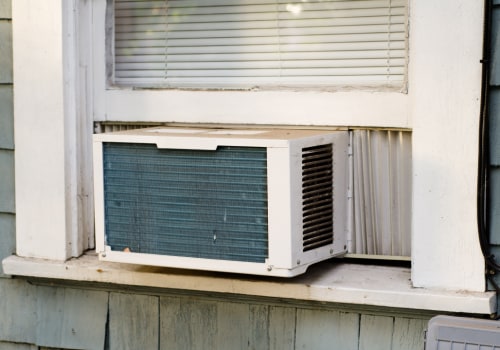
- Window Units: Suitable for smaller spaces or apartments where central air isn't feasible.
Conclusion: Making Informed Decisions About Your Air Conditioning Needs
In summary, making informed decisions about your air conditioning needs is crucial for maintaining a comfortable and energy-efficient home. Recognizing the signs that indicate it may be time for a replacement can save you both money and stress in the long run. As we discussed, the average lifespan of an air conditioning unit typically ranges from 10 to 15 years.If your system is approaching this age, it’s essential to start evaluating its performance and efficiency.One of the most significant factors to consider is the cost of repairs. If you find yourself spending more than 50 percent of the cost of a new unit on repairs, it’s a clear indication that investing in a new system may be the more economical choice. Additionally, keep an eye out for unusual noises or inconsistent cooling, as these can be signs of underlying issues that may warrant a replacement.Regular maintenance plays a vital role in extending the life of your air conditioning unit. Scheduling seasonal check-ups with a qualified technician can help identify minor issues before they escalate into major problems.
This proactive approach not only enhances the efficiency of your system but also ensures that you get the most out of your investment.When considering AC installation, it’s essential to evaluate your specific needs and circumstances. Factors such as the size of your home, local climate, and energy efficiency ratings should all influence your decision. Consulting with HVAC professionals can provide valuable insights tailored to your situation.Ultimately, being proactive about your air conditioning needs will lead to better comfort and lower energy bills. By staying informed and recognizing when it’s time to replace your unit, you can make decisions that benefit both your home and your wallet.